From PREO’s experience working with productive use enterprises across Africa and the Pacific Islands, approaches tailored to local context and embedded in trusted local networks have proven more promising than those that seek to implement predetermined models. A pattern consistently emerges: technology enables impact, but social capital and consistent human presence on the ground help make it durable.
Energy access in the Pacific Islands has been seen as a route to development for decades. Solar home system programmes expanded through the 1980s and 1990s; government-led rural electrification schemes have operated across the region; development banks have financed grid extensions and mini-grids. These efforts have brought electricity to many communities, though as a 2025 UNDP policy paper on energy transitions in the Pacific notes, “the sustainability of these technologies hinges on robust maintenance, repair, and end-of-life management strategies, which are often lacking in current deployments”.
Late last year, PREO Programme Manager Rhiannon Turner visited three PREO-supported enterprises across the region. What she found was not a single story but three distinct iterations of the same underlying challenge: connecting abundant natural resources with the people and systems that can turn them into sustainable livelihoods.
The logistics of remoteness
The Pacific presents energy access challenges that share features with other rural contexts but take distinctive forms due to logistical constraints stemming from geographical remoteness. In Solomon Islands, with its population of approximately 700,000 people dispersed across more than 150 inhabited islands, only around 16% of households are connected to the electrical grid. Around 76% have some form of electricity access, but much of it is powered by expensive imported diesel, leaving communities particularly vulnerable to price volatility and supply disruptions, often related to weather and precarious transportation logistics. Turner witnessed this first-hand whilst making her way from Solomon Islands’ capital, Honiara, to Gizo in the western Province.
The journey to Gizo captured what operating here involves, Turner recalls, a tiny plane through a thunderstorm, rain hammering the fuselage and lightning flashing all around, then staff refuelled the plane by hand from barrels at Munda. When a rescheduled flight nearly stranded us, resolution came only because a local colleague knew the right people to ask for help.
The primacy of relationships is not incidental in the Pacific; it is how things actually get done.
Trust as enabling infrastructure
In such contexts, conventional project assumptions typically need to be revised. Formal procurement processes and standardised timelines matter, but so do factors that are harder to systematise: relationships with people who understand local dynamics and can navigate them over time.
Archipelago Energy’s Hapi Fis project in Solomon Islands illustrates this. The company’s partner identification process is built on local knowledge to a significant extent. Alex Kouru, Archipelago’s Solomon Islands lead, is deeply connected to the local community through family in the Western Province where the project operates. He devotes significant time getting to know potential partners, assessing their values and whether benefits will flow to the wider community. A trial period establishes mutual accountability before any equipment is installed.
“This is due diligence conducted through relationships rather than spreadsheets,” Turner explains. “You can’t shortcut it.”
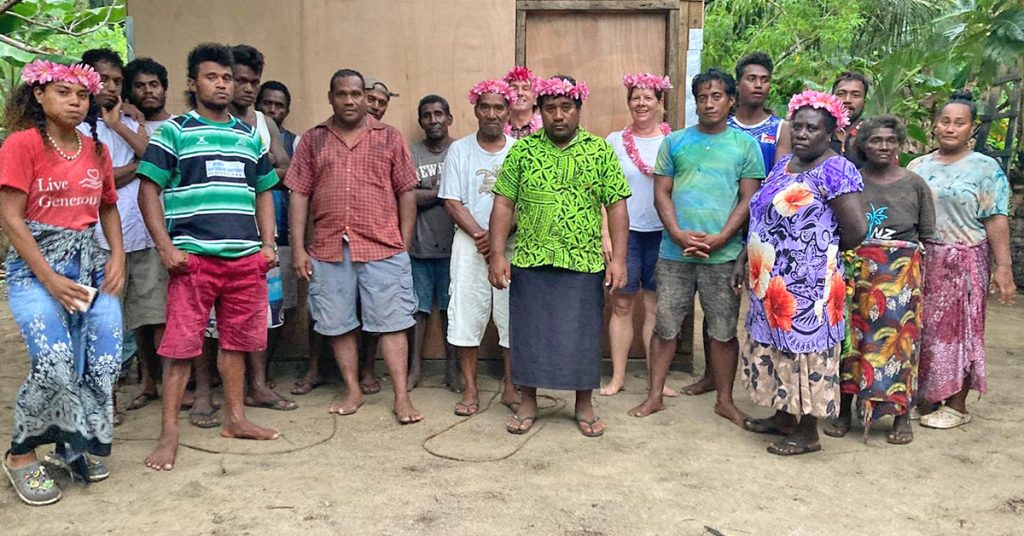
Archipelago’s model provides solar freezers to local partners who commit to a minimum fish catch per week. The company aggregates supplies and transports them to Honiara, where hotels, restaurants and the diplomatic community pay better prices. Further income-generation opportunities for partners are available: they can use freezers to run micro trading businesses, including selling data access via Starlink, which Archipelago deploys to monitor and troubleshoot system performance.
At the project site in Mbabanga, there was a blessing ceremony for the new equipment, with prayers led by the minister and a meal prepared by local women. The technology was becoming part of the social fabric before it was even switched on.
Abundant resources, fragile supply chains
Tonga presents a different challenge: reducing dependence on imports in a place surrounded by natural abundance. Coconut trees are everywhere, yet coconut milk, a staple cooking ingredient, is almost entirely imported due to lack of local processing facilities and because fresh unpackaged coconut milk spoils quickly in the absence of reliable cold chain.
During Turner’s visit, this dependence on external supply chains was tangible. “There was very little diesel available on the island during my visit, and power cuts were frequent,” she recalls. Yet solar energy is plentiful, which provides a means to bridge supply chain gaps.
PREO-supported Motu Juice have developed a “factory in a box” solution in which processing equipment is housed in an air-conditioned shipping container, producing 500 to 600 pouches of locally-sourced sterilised coconut milk per day. The grant provided funding for solar panels, inverters and batteries, enabling the process to run on sunshine rather than scarce diesel. The team achieves close to 100% use of the coconut: milk for sale, husk turned into fuel pellets for a biomass boiler, leftover meat made into pig feed.
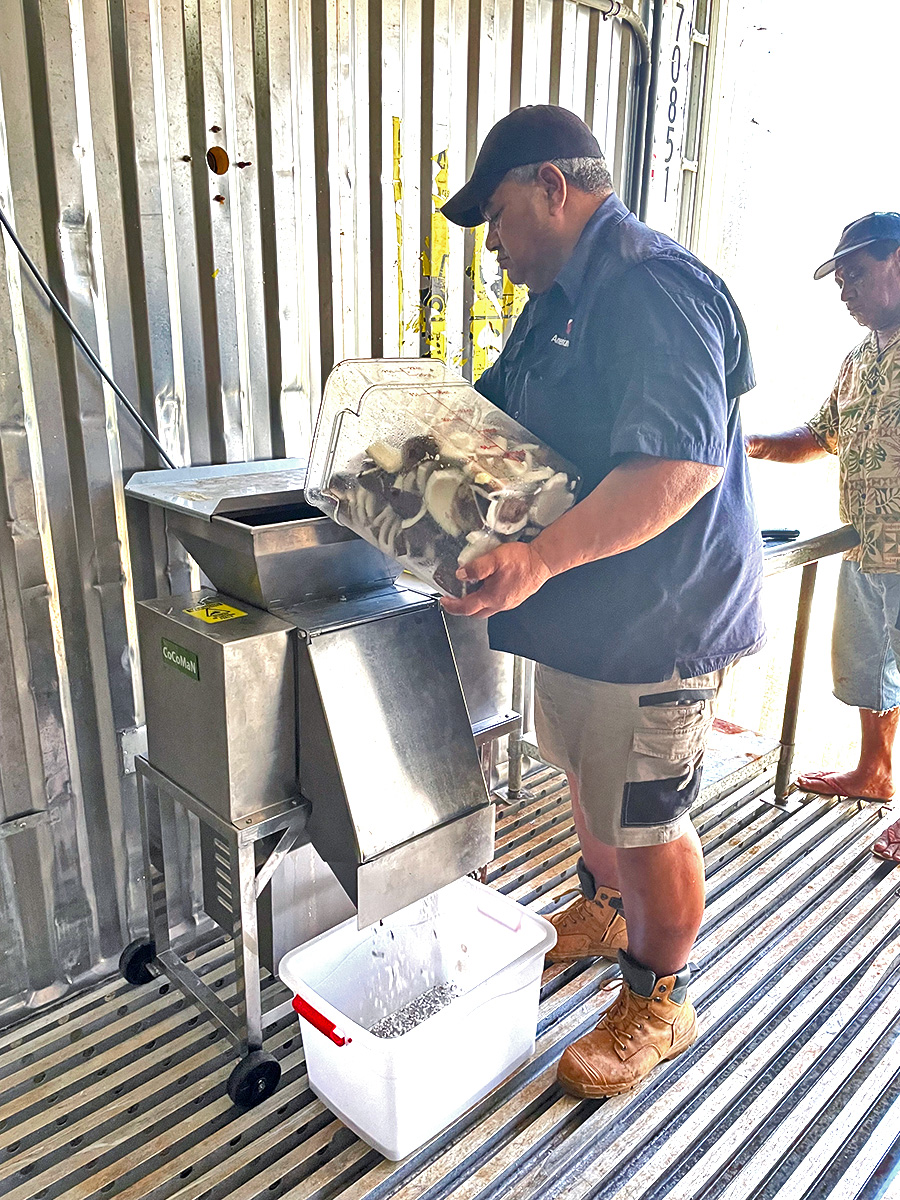
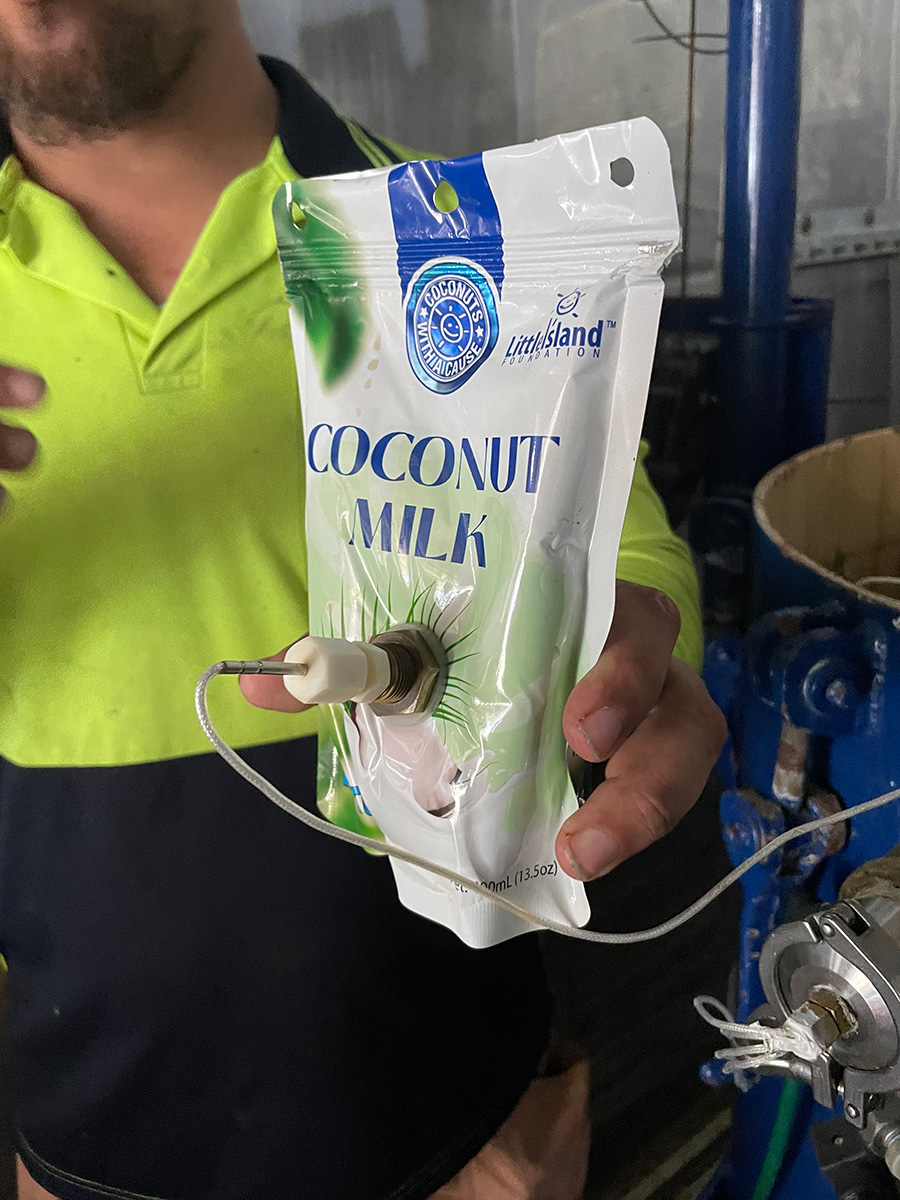
Processing coconuts for coconut milk in Motu Juice’s ‘Factory in a Box’, Tonga
Turner witnessed how “local people enthusiastically embraced being able to produce and cook with a locally abundant resource.” Supplies of Motu’s product, when placed in local stores, was selling out almost immediately. This was one of the smallest grants in PREO’s portfolio, but if the pilot succeeds it offers a replicable model.
Energy access meets labour shortages
Samoa presents a different kind of productivity challenge entirely. Unlike Solomon Islands, the country has close to 100% electricity access and good roads. The challenge here is not reaching people with power but finding people to work the land. The majority of Samoans have left to seek employment overseas, drawing working-age labour away from local food production.
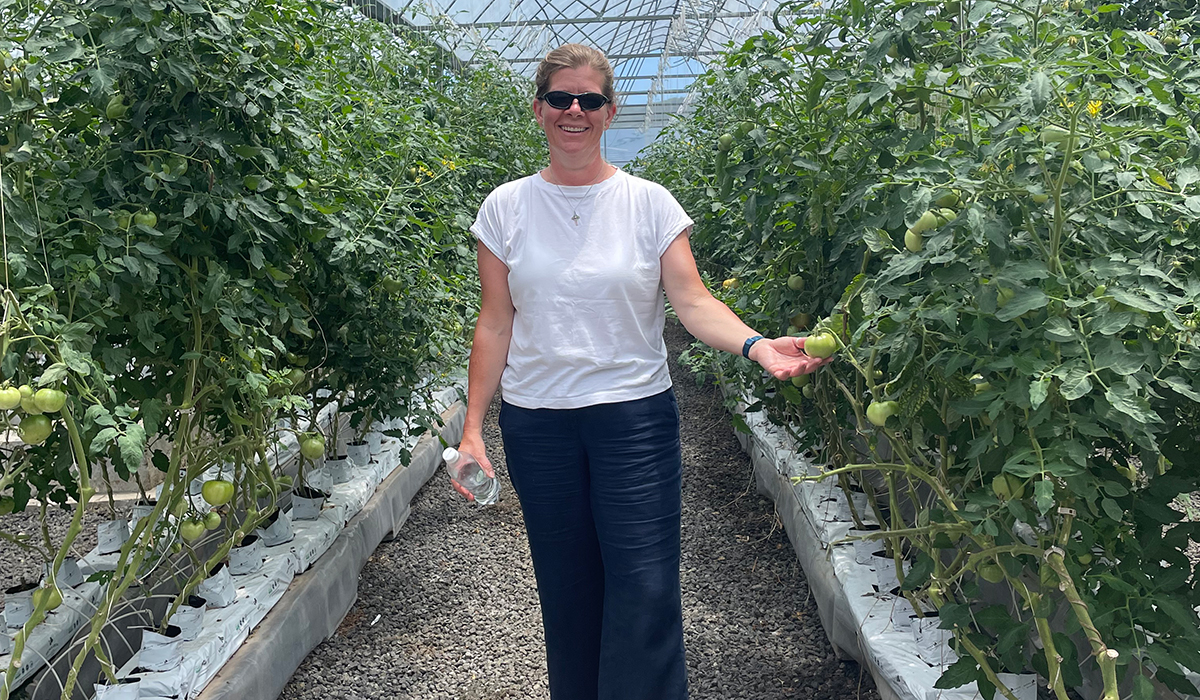
Sunshine Pacific, which supplies one of Samoa’s largest supermarket groups, is using PREO support to solarise its egg and hydroponic vegetable production. Automation powered by renewable energy delivers volumes difficult to achieve with scarce labour. The solar panels have reduced the farm’s electricity bills while delivering an unexpected co-benefit: cooler interior temperatures in the chicken sheds, which reduce ventilation costs and create a positive feedback loop, enabling further investment.
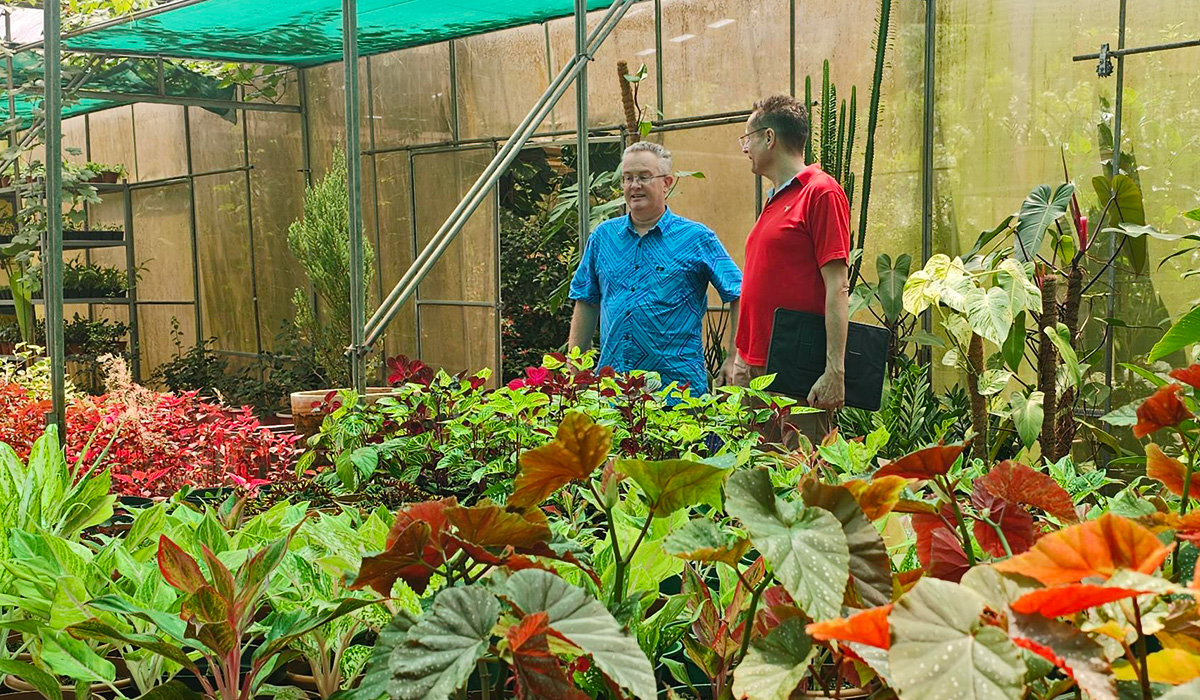
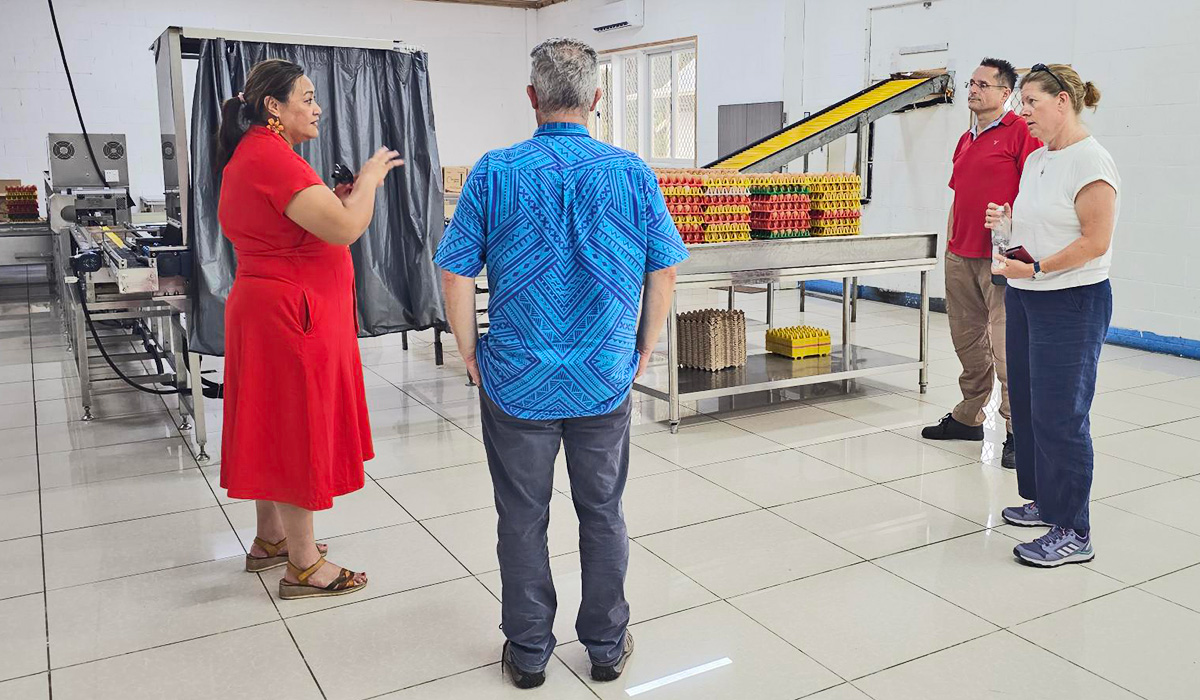
In Samoa, PREO’s contribution may be less about attracting outside investment than about demonstration: showing other local farmers that solar-powered automation can help communities work their land productively even when labour is scarce.
Implications for productive use
In Solomon Islands, success depends on building trusted local networks before deploying equipment. In Tonga, it means designing systems that turn perishable abundance into durable value. In Samoa, it means using automation to work around demographic realities.
What connects these cases is that energy hardware alone does not create impact. It requires alignment with how communities actually operate, and linking energy to income generation from the outset. This is the core of PREO’s productive use approach across sub-Saharan Africa and the Pacific Islands: supporting enterprises that have identified opportunities within their own contexts, rather than prescribing solutions from outside. This is what we mean when we describe PREO as “demand-led”.
The implications extend beyond individual projects. If renewable energy interventions in the Pacific Islands are to be sustainable, they may need to be designed around local networks from the start. That may mean longer timelines for partner identification, deeper investment in relationships, and a willingness to let local actors define what success looks like in their own terms. It also means starting from the acknowledgement that what works in one context may not transfer directly to another, even within the same region.
The three enterprises highlighted here are relatively early in their commercial journeys, but they point toward a promising outcome for the Pacific Islands: that when renewable energy is embedded in local networks and tied to livelihoods, it can generate the returns needed to sustain itself. Energy enabling income, and income enabling further energy access: this is the kind of virtuous circle that PREO exists to support. It is also the compelling case that these indispensable local projects are helping to build.