
Rhiannon Turner,
PREO Programme Manager
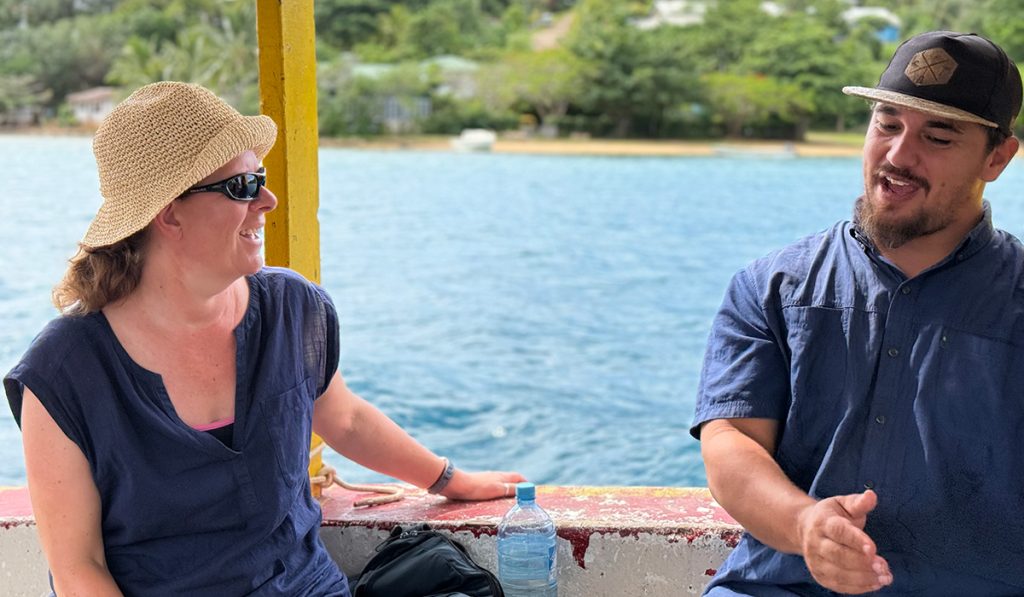
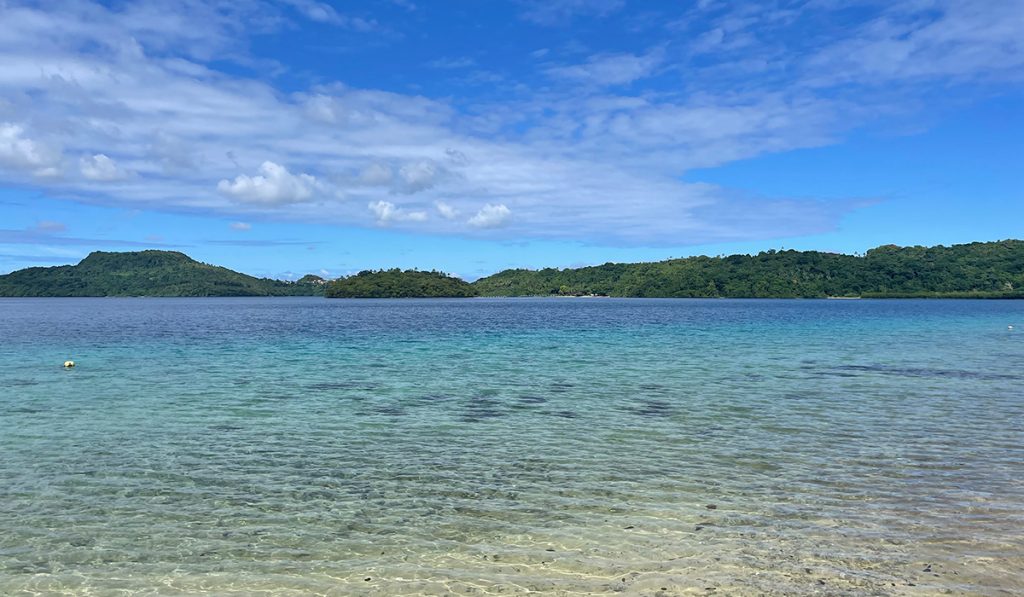
The first thing I notice is the water. Even in the main town harbour, it’s crystal clear. During my visit I’m lucky enough to spend time swimming offshore, where I spot vibrantly hued fish, including starfish the size of dinner plates. Moments like these feel uniquely special – they serve as a reminder of what makes Tonga extraordinary and why it’s worth protecting.
Just before I leave the island, a stranger presents me with a pineapple, stalk down, outer skin cut off, looking like a giant ice cream cone. It’s a gift because he has enough and wants to share it with me. That gesture captures something essential about Tonga.

Abundance, and a paradox
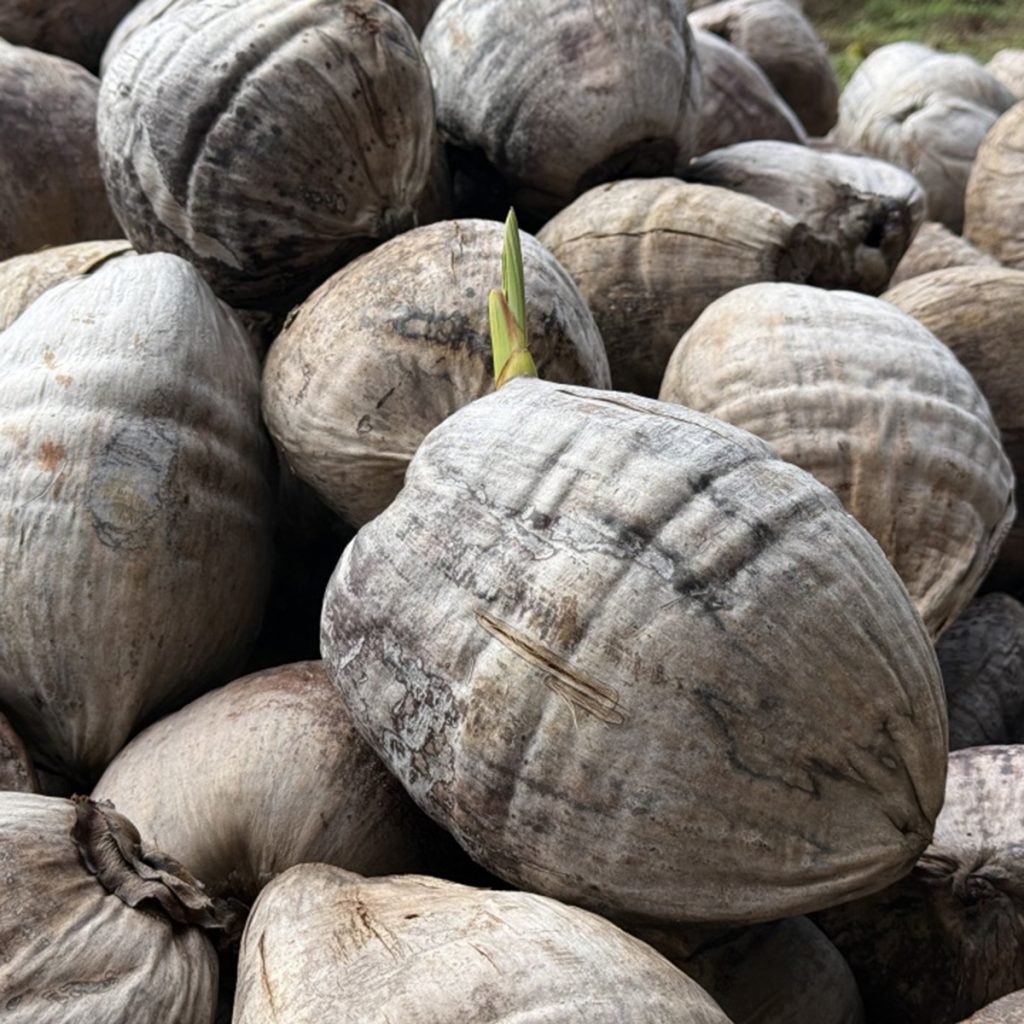
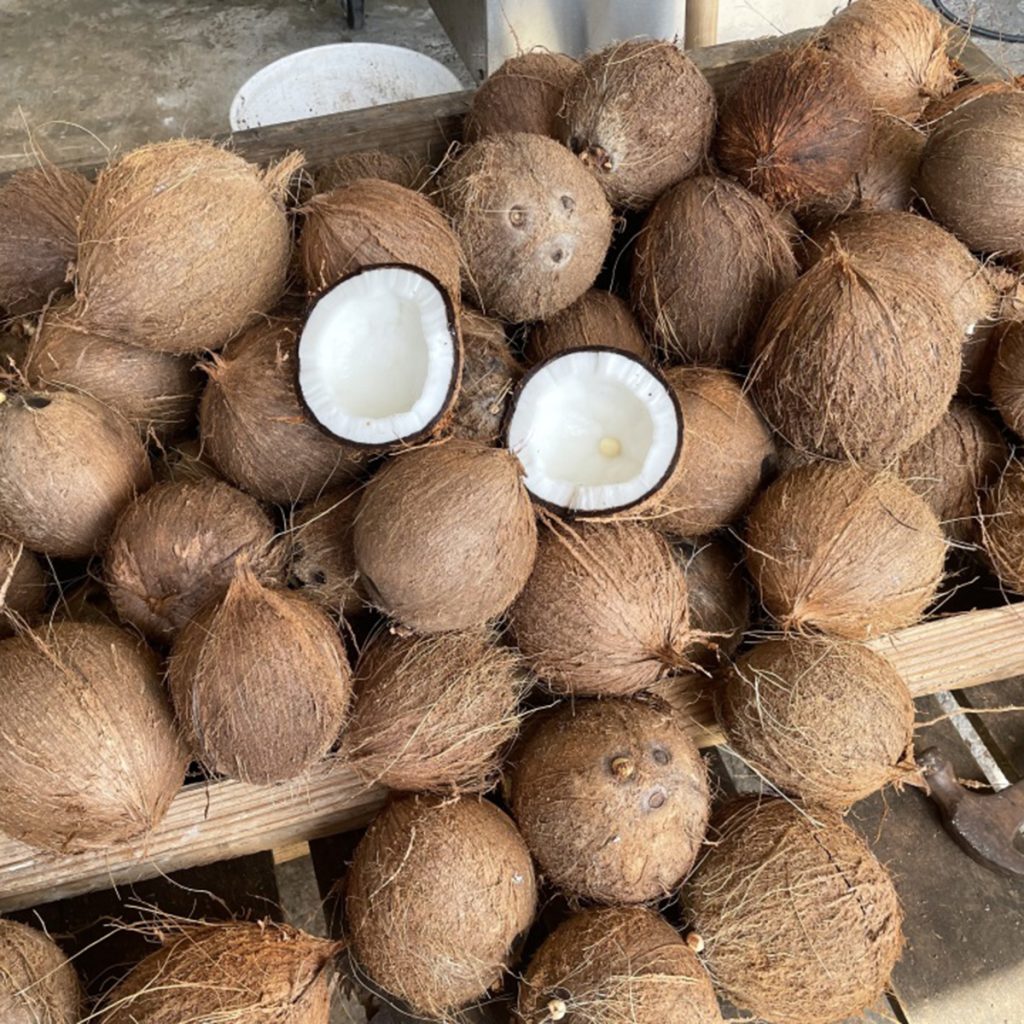
Coconut trees are everywhere here; I don’t think any sightline exists without one. Many are the legacy of a New Zealand trade that encouraged planting, but that market has since experienced acute decline, and coconuts are now often left to rot. Here lies the paradox: coconut milk is a staple cooking ingredient in Tonga, but almost all of it is imported from Thailand. Fresh coconut milk is cumbersome to extract from inside the shell and spoils quickly; using cartons from Thailand is simply easier and safer for Tongan communities. During my visit, this dependence on external supply felt especially stark, and it extends to power: very little petrol or diesel is available on the island, and power cuts are commonplace. Yet sunshine is plentiful. Abundant local resources, fragile external supply chains.
A factory in a box
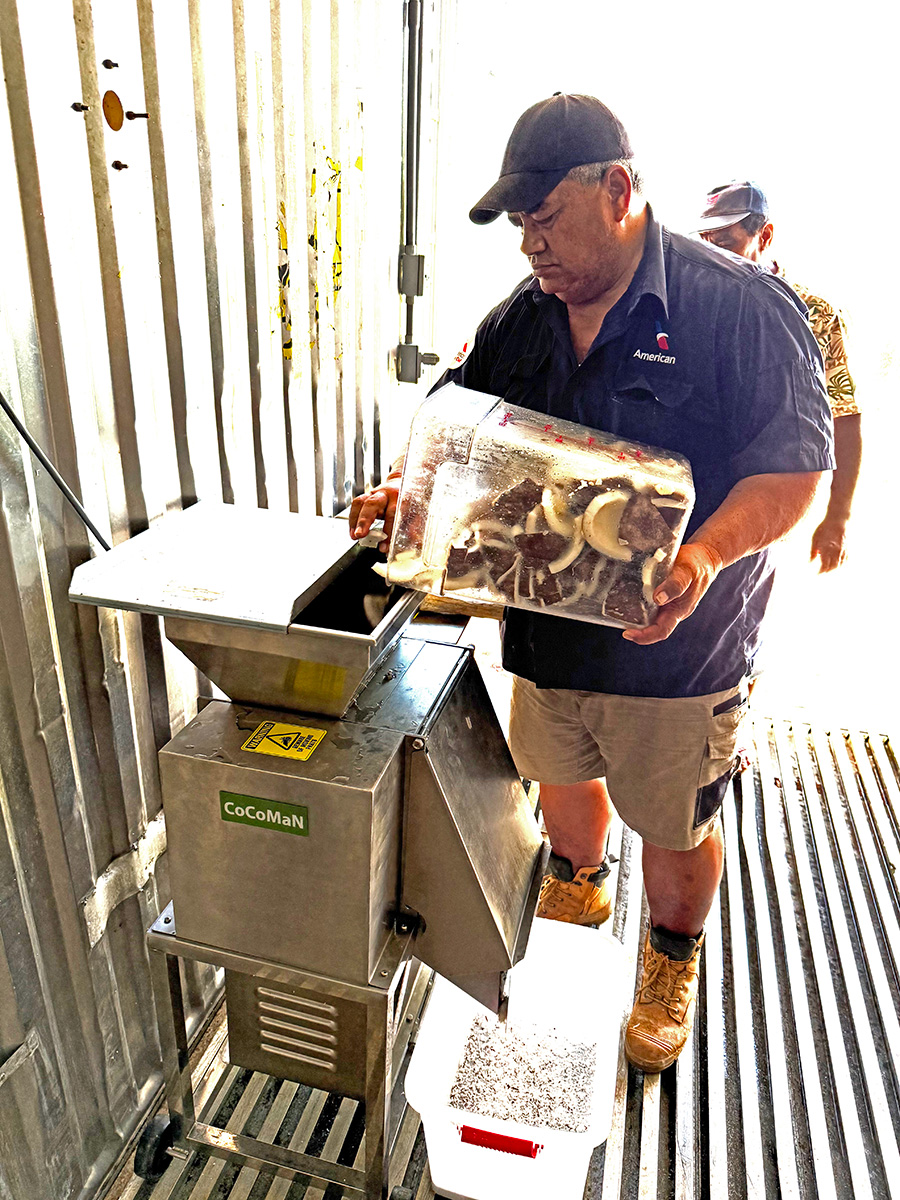
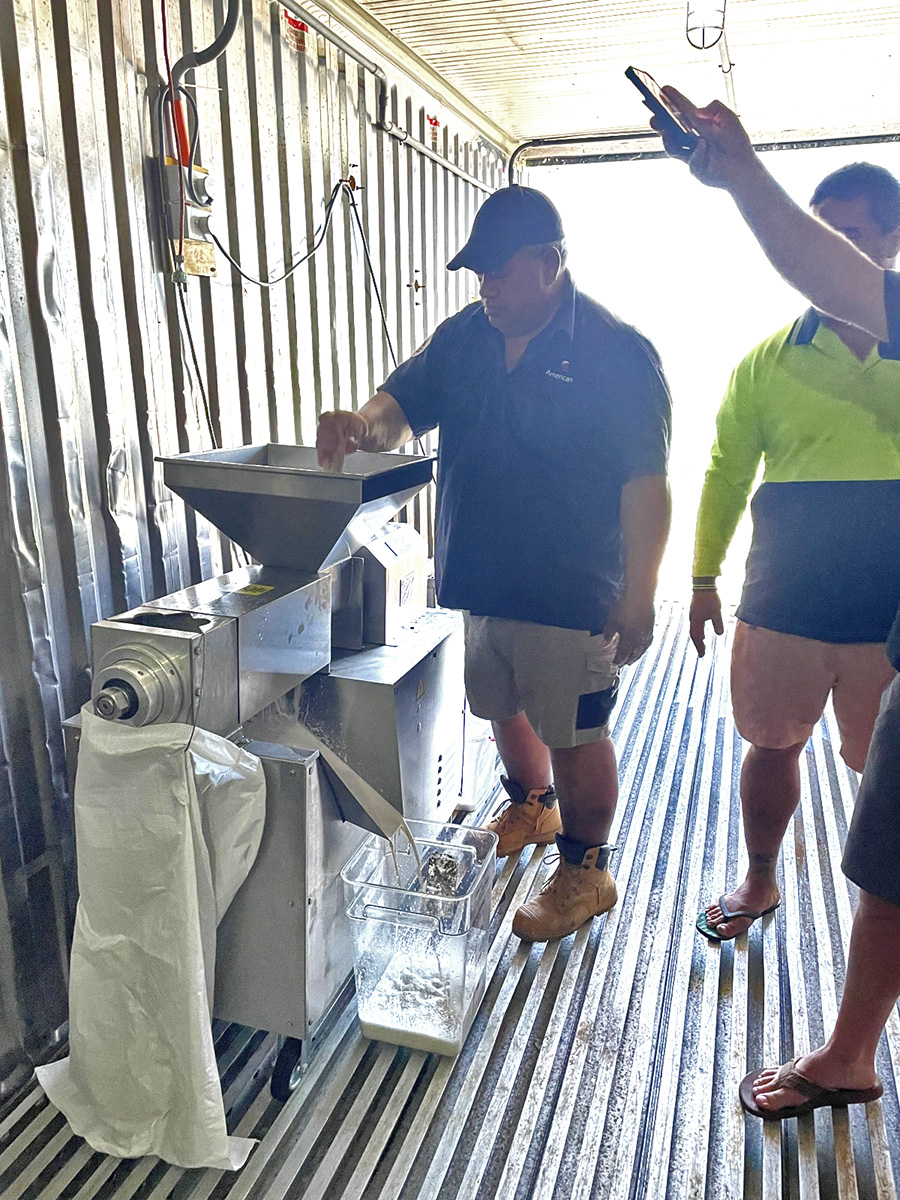
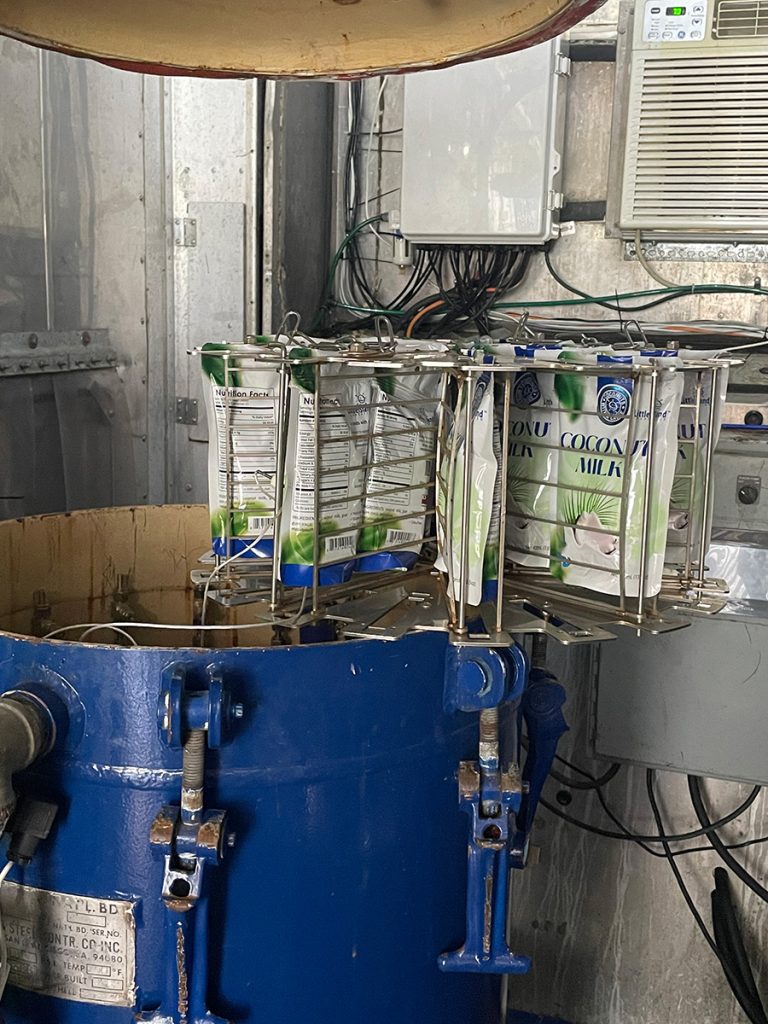
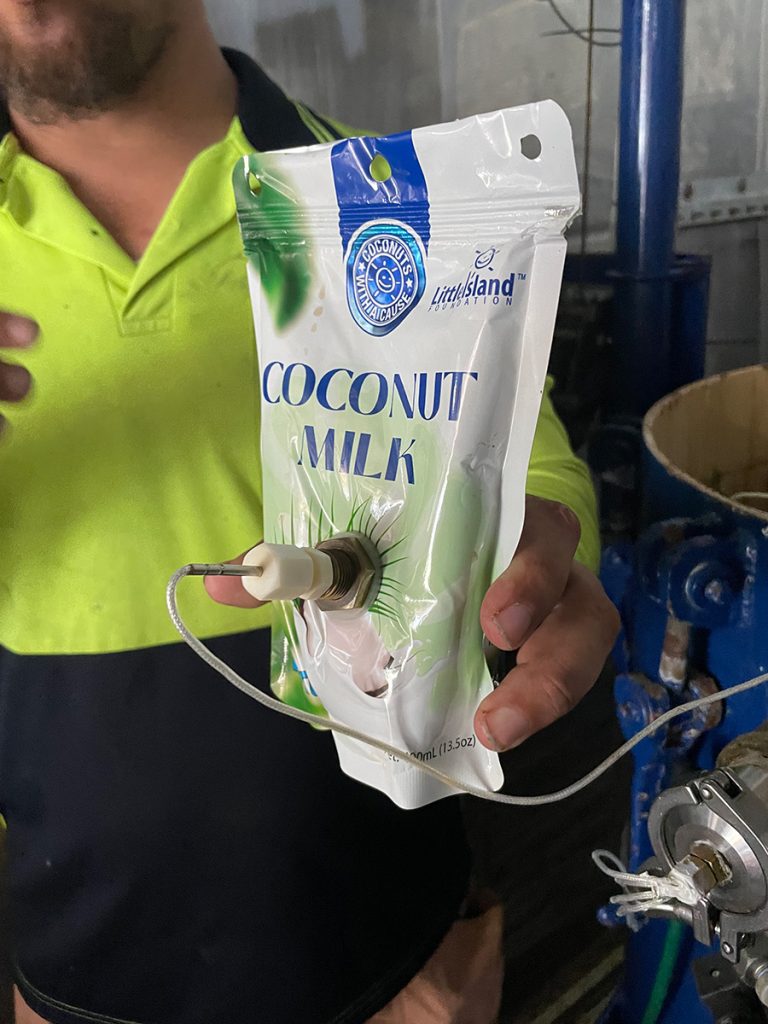
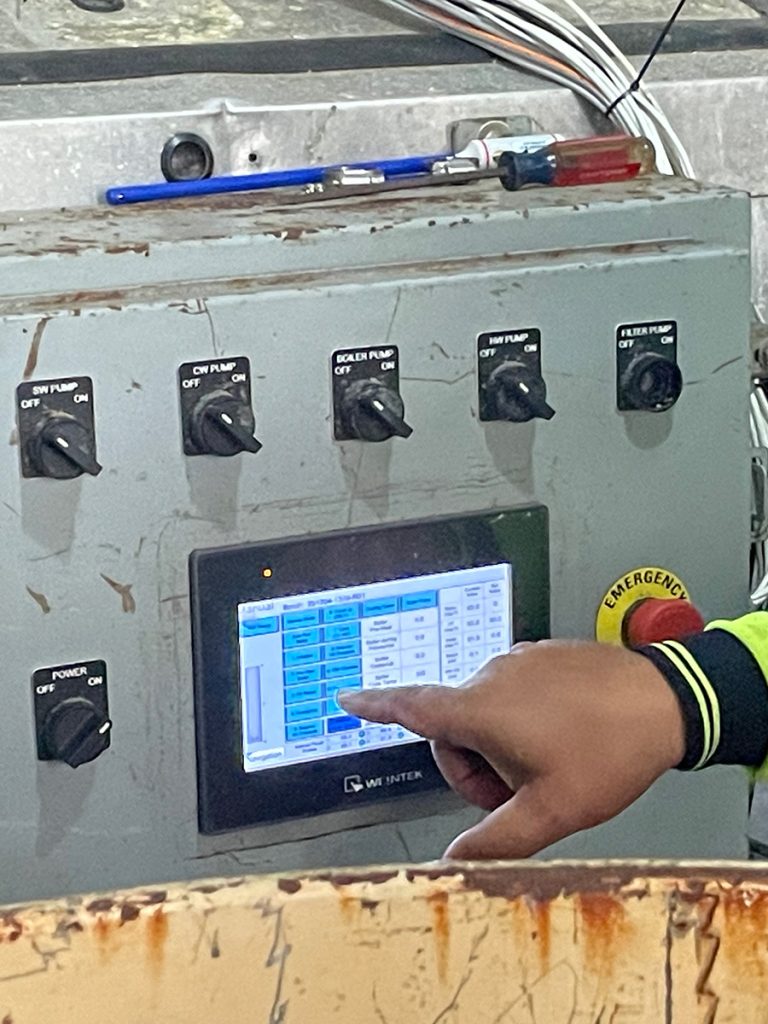
Enter Motu Juice: engineer Rick Dalton conceived the idea a decade ago during a visit from the USA, in collaboration with his Tongan friend Tevita Toutai (sadly since deceased). In 2024 Rick was joined by local entrepreneur Calvin Schumaker as General Manager, alongside investor Reid Anderson. Together, with support from a PREO grant, they have built a ‘factory in a box’: processing equipment housed in an air-conditioned shipping container, producing 500 to 600 pouches of locally-sourced coconut milk per day. These are sterilised and sealed and can be safely stored without cooling.
Solar-powered production
PREO’s funding supported the installation of solar panels, inverters, and battery storage, allowing the factory to run on abundant sunshine rather than scarce diesel. This is important. Power surges are a real risk in Tonga, and damage to sensitive equipment can halt operations entirely. Solar provides not just clean energy, but stable and reliable power. Just as important, the team has now achieved close to 100% use of the coconut: milk for sale, husk turned into fuel pellets for a biomass boiler, leftover “meat” made into pig feed that can be traded with farmers for more coconuts. Waste is minimised, value stays local, and circularity is built into the model.
From pilot to proof
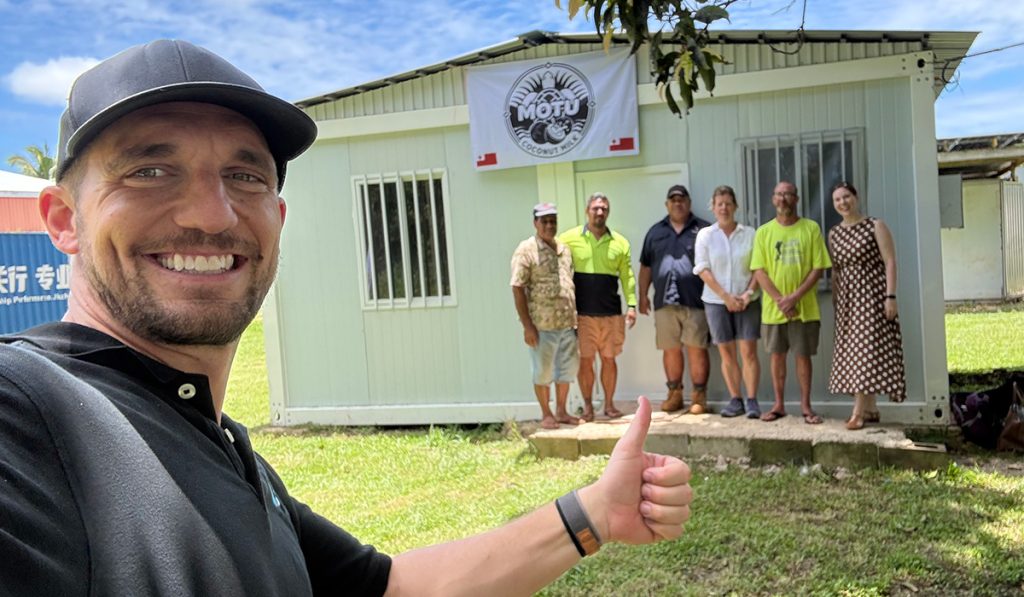
The locally produced packets sell out almost immediately. There is also strong demand for fresh, pre‑sterilisation milk from customers who cook with it the same day, enabling Motu Juice to diversify its product offering and further strengthen profit margins. The company’s tagline, “Coconuts with a Cause,” reflects its mission: profits are reinvested into the wider community through Motu Juice’s Little Island Foundation.
Motu Juice requested one of the smallest grants in PREO’s portfolio, but the transformational change from this modest investment has been impressive. Local people cooking with a product from and by their community, not to mention skills developed, jobs created and emissions reduced. If this pilot succeeds, the “factory in a box” concept could be replicated across Tonga, other Pacific countries, and beyond. A small island nation piloting a model with global potential ‒ this is exactly the proof point PREO exists to support.