We are proud to have partnered with and supported productive use of energy projects across multiple geographies and sectors. Our projects are delivering real impact and are improving the livelihoods of many people in sub-Saharan Africa.
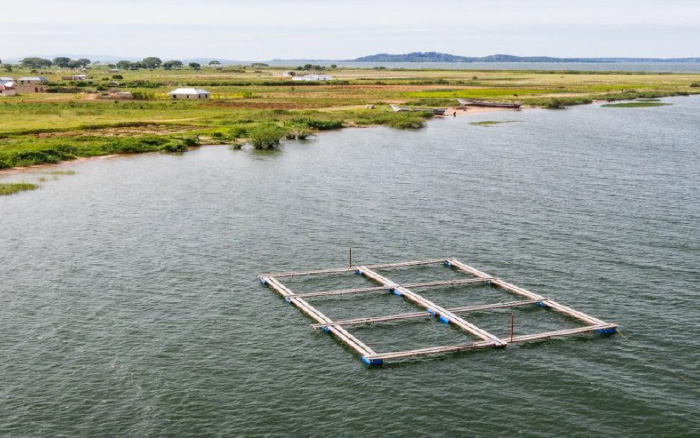
Under JUMEME’s new KeyMaker Model, the solar mini-grid company partners with village communities to harness local natural resources, leveraging reliable electricity from its mini-grids to create competitive products. With funding support from PREO, the venture aims to improve the local economy of Maisome island by creating jobs and entrepreneurial opportunities around Tilapia fish trading on Lake Victoria, which JUMEME collects, freezes using its own electricity, and delivers. This approach not only ensures high-quality fish for the market but also allows JUMEME to offer better prices to fisherfolk while maintaining profitability and increasing energy uptake from the local population (due to an improved economy).
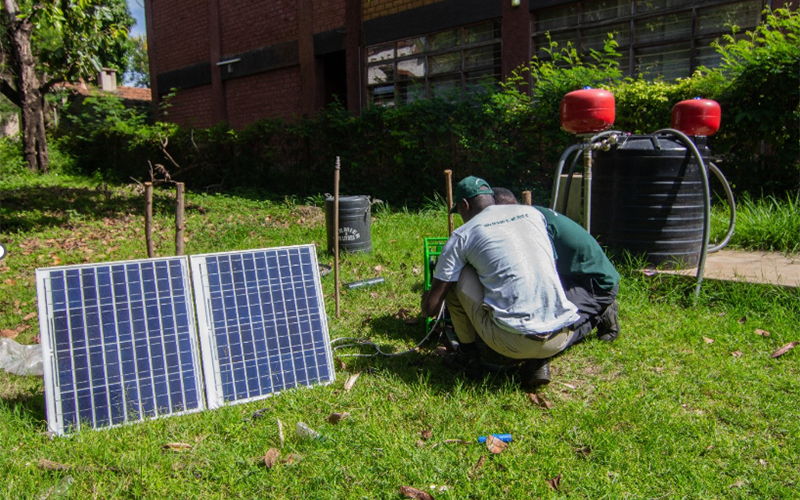
With PREO support, Kijani Testing Limited proposes to establish a solar water pump (SWP) testing facility in Kenya – the first of its kind in sub-Saharan Africa. This facility aims to address a well-documented gap in the accessibility, affordability, and timeliness of independent performance testing for SWPs.
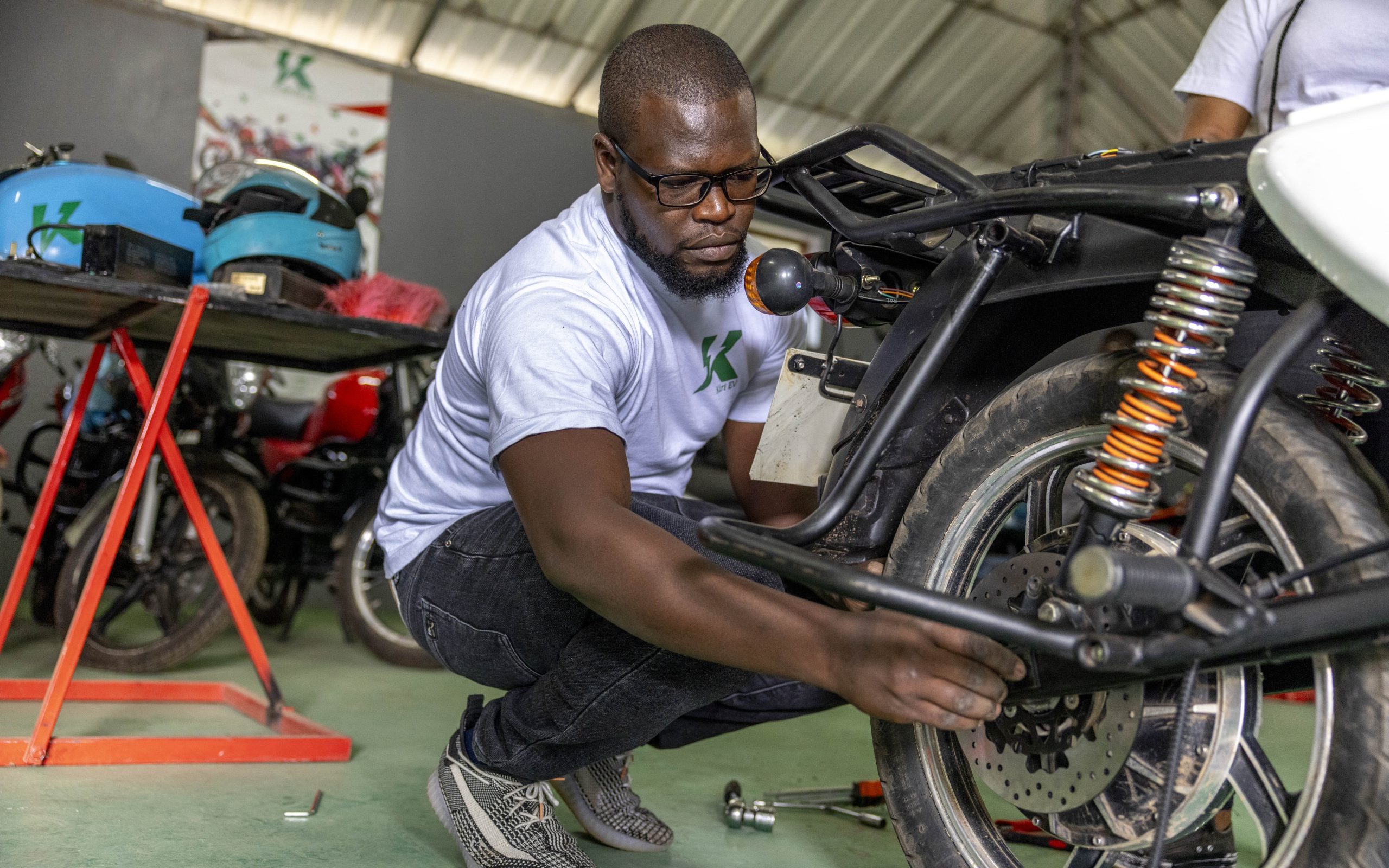
Kiri EV is accelerating the adoption of electric motorcycles in Kenya by organising bodaboda riders into Savings and Credit Cooperative Organisations, enabling access to affordable asset financing from banks, lease-to-own electric bikes, and decentralised charging infrastructure at rider stages. Kiri EV’s model allows low-income earners, who may usually be excluded from traditional debt financing, to access funding and use their increased revenue to make small, daily payments via a transparent, online platform.
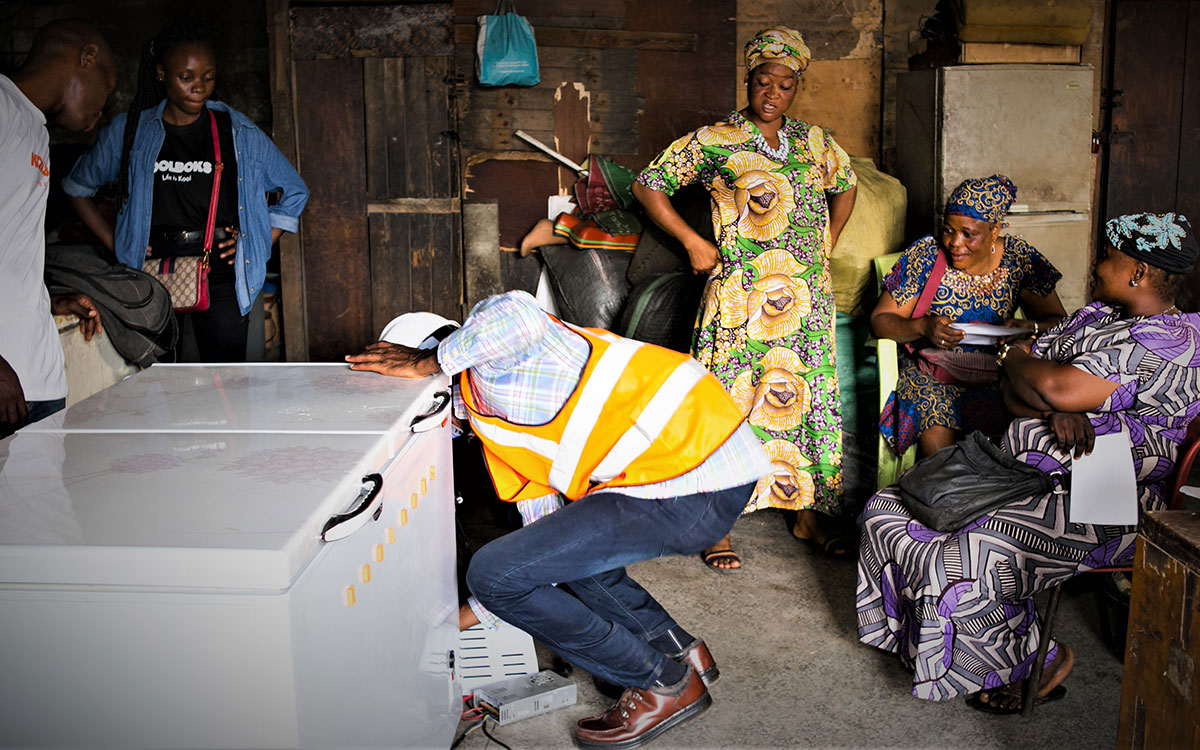
Building on Koolboks’ 2021 PREO project, Koolbuy offers a scalable platform to turn any fridge or freezer into a PAYG unit with optional solar retrofit, unlocking modern cooling for small businesses without upfront cost. Its innovation lies in combining several layers of accessibility: flexible financing, locking technology, solar upgrade, brand-agnostic integration and data intelligence.
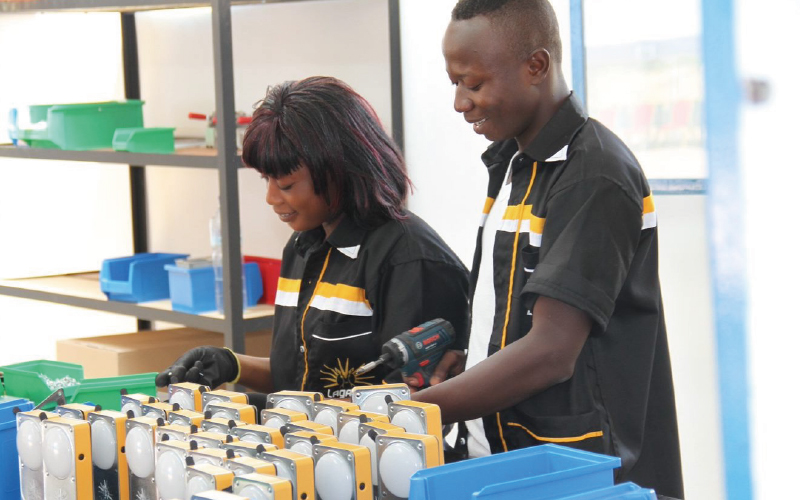
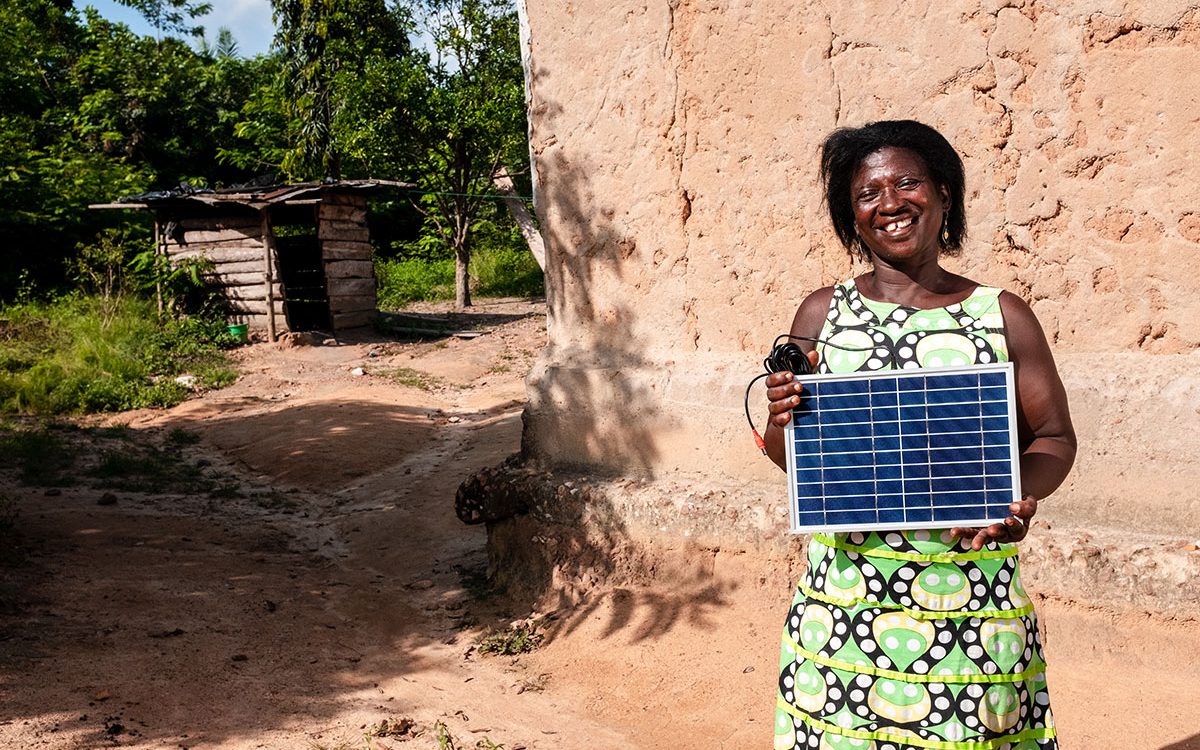
LAGAZEL, the first African company to manufacture solar lamps locally, addresses the critical electricity deficit affecting 640 million people on the continent. By providing a reliable, eco-friendly, and cost-effective lighting solution, LAGAZEL improves access to essential services and promotes economic development. With support from PREO, LAGAZEL has expanded its operations to Burkina Faso and Benin, producing durable solar lamps and home systems from recyclable metal. The company’s partnership with IFSRA further assesses the socio-economic benefits of its work, underscoring a commitment to local value creation and job sustainability.
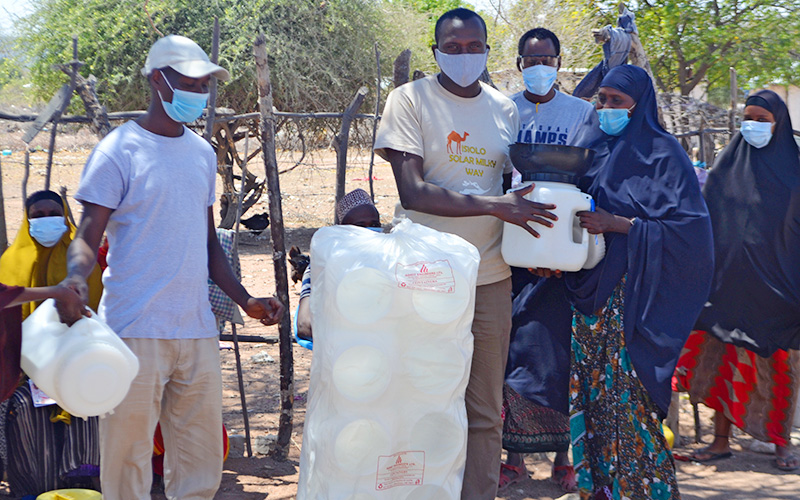
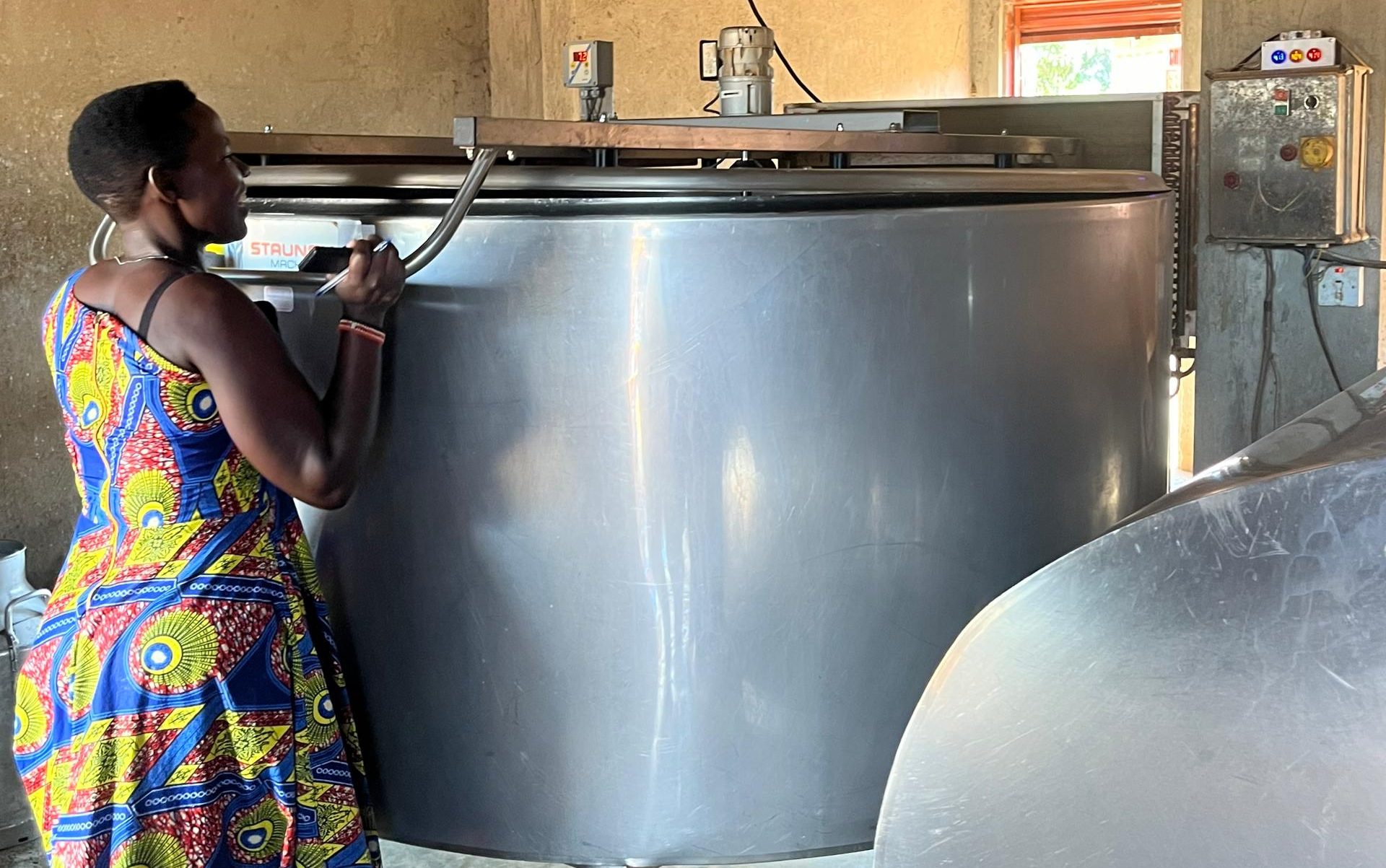
Lay Volunteers International Association (LVIA), through its pilot project in Isiolo County, Northern Kenya, will introduce solar-powered solutions for off-grid milk pasteurization and cooling, aiming to enhance sustainable livelihoods in climate-affected pastoral regions. With climate change causing severe droughts and prompting Borana pastoralists to adopt drought-resistant camels, camel milk has become a significant commodity linked to urban markets. Supported by PREO funding and local partners, LVIA’s project seeks to improve camel milk handling and trading practices, establish solar-powered milk processing and cold storage facilities managed by women, create a solar-powered cold chain for high-quality milk transport, and develop a marketing strategy to access upscale markets in Nairobi.
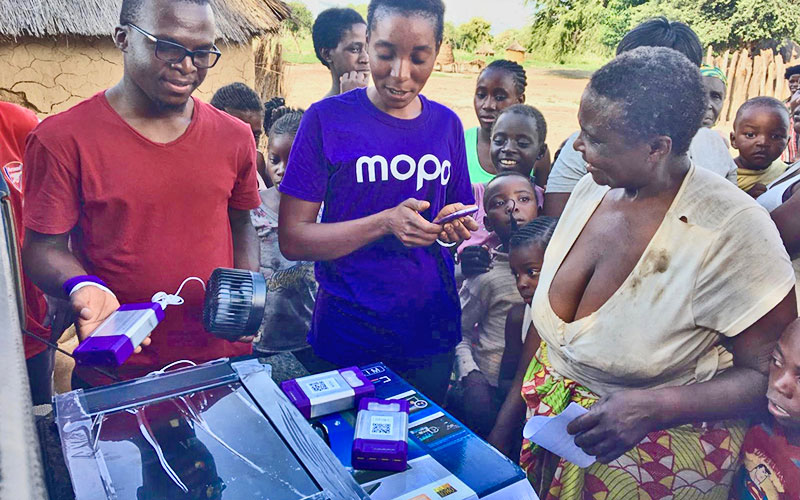
M-KOPA Solar, with PREO funding support, is piloting a project in rural Kenya to test whether providing micro, small, and medium enterprises (MSMEs) with an affordable bundle of a solar home system, smartphone, and e-voucher for business stock can enhance their economic viability. Not only do micro-enterprises stock essential household goods, they can also provide other downstream services to communities, such as phone-charging, telecom data vouchers, mobile money services, etc. The bundle, sold on a PAYG basis in collaboration with an e-commerce platform, aims to empower MSMEs by offering them access to affordable business stock on the platform and business management tools, while unlocking access to credit and energy for their businesses. The project targets businesses like general stores and agribusinesses, aiming to boost revenues, build competitiveness through the adoption of e-commerce, create jobs, digitise rural supply chains, and upskill entrepreneurs, with a focus on gender balance in business ownership of the enterprises.
Mazi, an e-mobility company established in Kenya, provides electric motorcycles and charging infrastructure to address the pressing issues of environmental sustainability and urban mobility. Mazi’s solution is intended to meet the growing demand for low-cost, environmentally friendly transportation for both individuals and businesses in Nairobi. The company is establishing a comprehensive charging infrastructure and battery-swapping station network to ensure swapping is reliable and accessible. For efficient charging and a seamless user experience, Mazi’s charging and battery swapping stations uses advanced technology such as Arduino systems.
Mobile Power has developed a battery-as-a-service rental model that allows customers in sub-Saharan Africa to replace fossil fuels with battery-powered solutions for their businesses, homes, and vehicles. This model involves three key components: MOPO Batteries for storing and transporting energy, MOPO Hubs for charging batteries and managing operations, and the MOPO Platform for tracking batteries and managing agent activities. The company’s innovative approach eliminates the need for credit checks and regular payments, offering customers flexibility in accessing energy. With support from PREO, Mobile Power has successfully tested its e-motorbikes and battery swap model in Sierra Leone, which allows 3-wheeled electric vehicle owners to rent a battery pack for transportation and freighting, thereby utilising mini-grid electricity for sustainable transportation while improving productivity through access to new markets and reduced transport times (versus manual transportation).
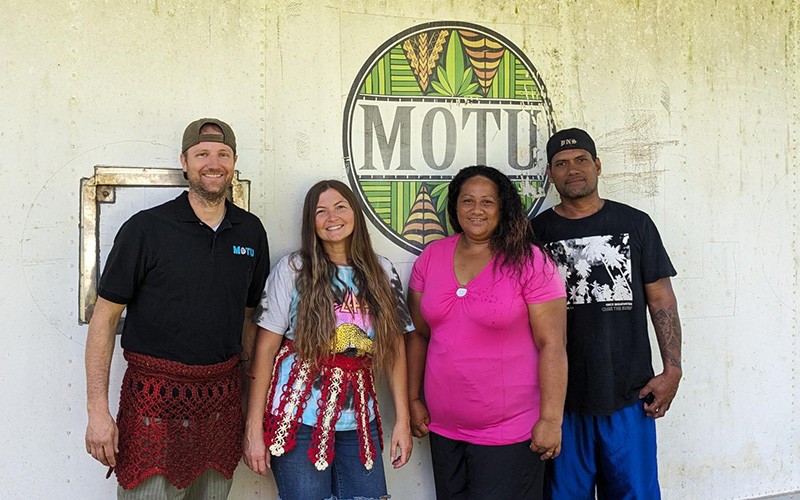
Motu Juice, based in Tonga, is piloting off-grid, solar-and biomass-powered mini-factories to produce over 250,000 litres of coconut milk annually. These portable, franchise-operated units empower local entrepreneurs, create rural jobs, and reduce reliance on costly imports. Designed for remote and disaster-prone areas, the initiative strengthens food security, builds local capacity, and fosters a resilient, self-sustaining economy capable of withstanding climate and market shocks.
Novel Farm’s off-grid, solar-powered systems generate ice, which is then stored in insulated cans to keep milk chilled for over 12 hours – eliminating the need for grid electricity or diesel, and reducing food waste. With unit sizes ranging from 500L to 6000L, the solution is adaptable for both smallholder farmers and cooperatives. With PREO support, Novel Farm are expanding their geographical reach into Eastern Uganda with targeted marketing campaigns and affordable financing solutions for farmers.
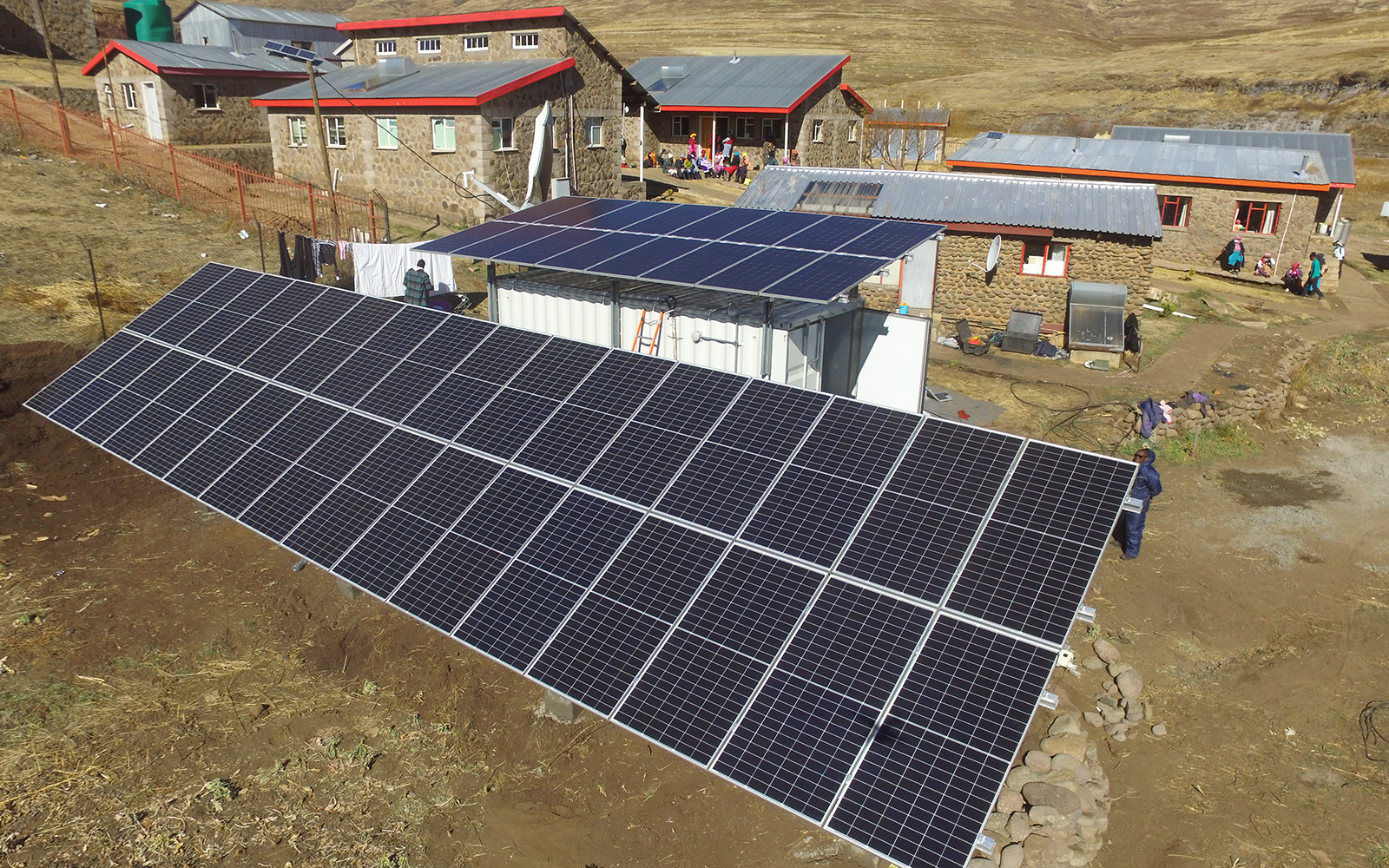
OnePower (1PWR), a solar power developer in Lesotho, has been instrumental in advancing the country’s renewable energy sector through both on-grid and off-grid projects. The company led a consortium that won Lesotho’s first tender for a 20MW utility-scale PV plant and designed, built, and operates the nation’s first privately financed mini-grid. As Africa’s sole manufacturer of single-axis tracking frames for solar panels, 1PWR, with PREO funding support, has enhanced local manufacturing capabilities to deliver solar PV trackers, smart meters, and mini-grid Power houses to mini-grid electrification projects underway in Lesotho – reducing reliance on imports and fostering local employment. By localising production, 1PWR is driving local value creation and demonstrating a roadmap for reducing the cost of off-grid electricity supply with results that are scalable to rural communities across sub-Saharan Africa.
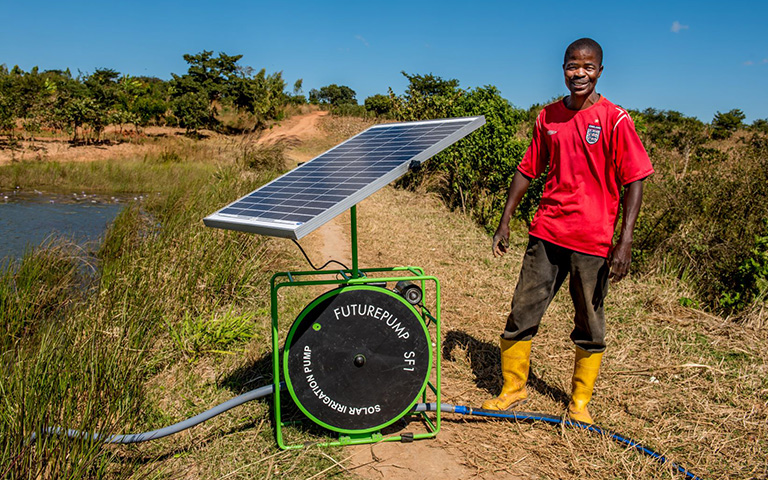
PEG Africa, a leading pay-as-you-go solar company in West Africa, plans to provide 160 solar irrigation systems on credit to smallholder farmers in Senegal, with support from PREO. The initiative aims to improve vegetable farm productivity and reduce reliance on fossil fuels and manual labour. The project addresses key challenges such as the high upfront costs and limited financing options that hinder farm productivity in Senegal. By partnering with two leading solar-irrigation suppliers, PEG Africa will introduce seven types of pumps and enhance the distribution, supply chain, and after-sales network. If successful, the project could scale small-scale irrigation to thousands of farm families across Senegal over five years.
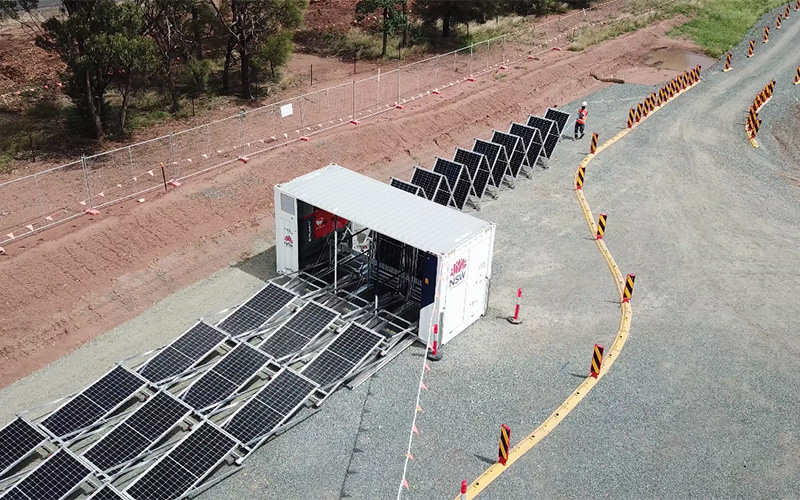
PNG Women in Agriculture Development Foundation, in partnership with Black Stump Technologies, is piloting the Erap Mama’s Market Depot – a solar-powered cold storage and distribution hub serving over 250 women farmers. Powered by the Black Stump Solarator, the facility includes solar refrigeration and ice-making units to preserve produce quality, reduce post-harvest losses, and boost market value. This initiative empowers women as equal partners in agriculture, strengthens food security, and promotes clean energy adoption in Papa New Guinea’s agri-sector.
Practical Action Consulting, in partnership with African Mini Grids and Modern Farming Technologies, is working to support women smallholder farmers in Malawi to create a sustainable, full-value-chain business model in agriculture. As agriculture in Malawi is mostly rain-fed, erratic rainfall can impact yeilds and quality of produce. With limited access to cold storage further compounding the challenge for farmers, as much as 30% of produce can be lost. As well as increasing productivity and quality of produce, the PREO-funded project aims to improve opportunities for women farmers, supporting them to overcome challenges to land access and delivering capacity development and access to affordable greenhouses with solar drip irrigation and a solar-powered chilling facility.
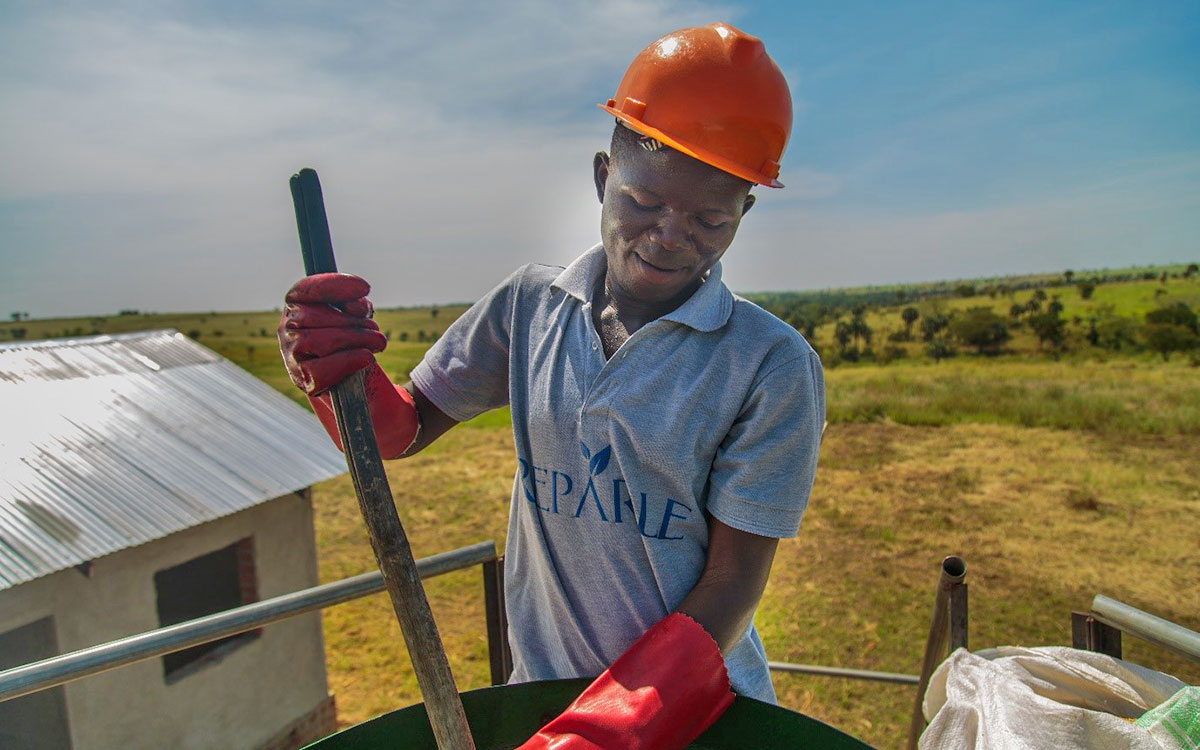
REPARLE (Renewable Energy Powering Agriculture and Rural Livelihood Enhancement) is developing a hybrid solar and gasification project in Northern Uganda. The off-grid project aims to address the significant energy access challenges in Uganda’s agricultural sector, where 80% of the population relies on farming but faces limitations due to outdated infrastructure, lack of electricity, and inefficient systems. By providing sustainable and affordable energy, REPARLE will power crop supply chains, electric vehicles, and clean cooking fuel production – ultimately boosting local economies, increasing farmers’ incomes, and reducing reliance on external aid. PREO funding will support the installation of agro-processing facilities, mini-grid powered EVs, solar PV systems, and a digital management platform to enhance the project’s infrastructure and efficiency, fostering a circular economy and improving market access to agricultural products.
Roam, formerly known as Opibus, is an electric mobility company focused on electrifying vehicles in Africa – starting with motorbike taxis, or “boda-bodas,” which are a vital part of Kenya’s economy. Boda-bodas are popular for their affordability and speed, but they are often poorly maintained, inefficient, and contribute to pollution. Roam, with funding from PREO, is piloting electric motorbikes in Kenya to help improve driver incomes, reduce environmental impact, create green jobs, and support the country’s shift to zero-emission vehicles. The project is also exploring different payment models trialled to assess uptake and long-term business model viability while also to assessing how e-motorbike production can be scaled-up in Kenya to benefit the local economy.
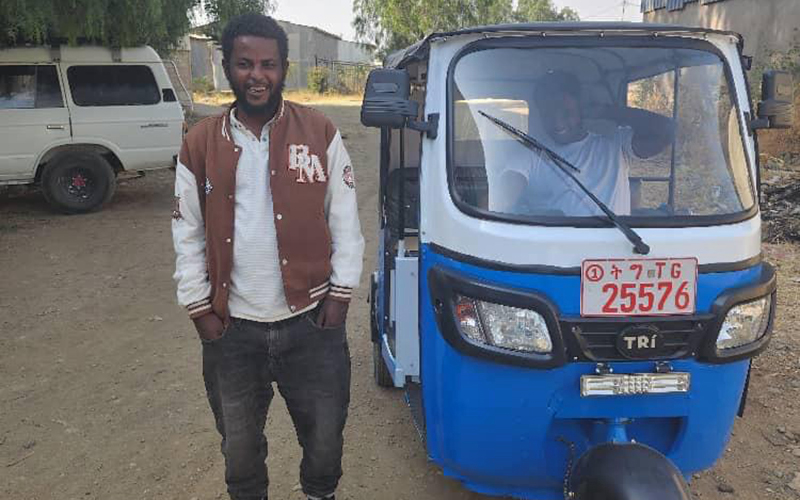
S&Y are establishing a local electric three-wheeler assembly plant in Mekelle to address the supply gap created by Ethiopia’s ban on internal combustion engine (ICE) vehicle imports.
With PREO support, S&Y will leverage Ethiopia’s cheap, clean hydroelectric power (0.035 USD/kWh) to produce superior lithium-ion powered vehicles based on TRi’s E2 platform, specifically designed for African conditions.
Page 3 of 4
Follow us
By continuing to browse or by clicking ‘accept’ you agree to the storing of cookies on your device to enhance your site experience. Please see our Privacy NoticeACCEPT
Privacy & Cookies Policy
Privacy Overview
This website uses cookies to improve your experience while you navigate through the website. Out of these cookies, the cookies that are categorized as necessary are stored on your browser as they are essential for the working of basic functionalities of the website. We also use third-party cookies that help us analyze and understand how you use this website. These cookies will be stored in your browser only with your consent. You also have the option to opt-out of these cookies. But opting out of some of these cookies may have an effect on your browsing experience.
Necessary cookies are absolutely essential for the website to function properly. This category only includes cookies that ensures basic functionalities and security features of the website. These cookies do not store any personal information.
Any cookies that may not be particularly necessary for the website to function and is used specifically to collect user personal data via analytics, ads, other embedded contents are termed as non-necessary cookies. It is mandatory to procure user consent prior to running these cookies on your website.