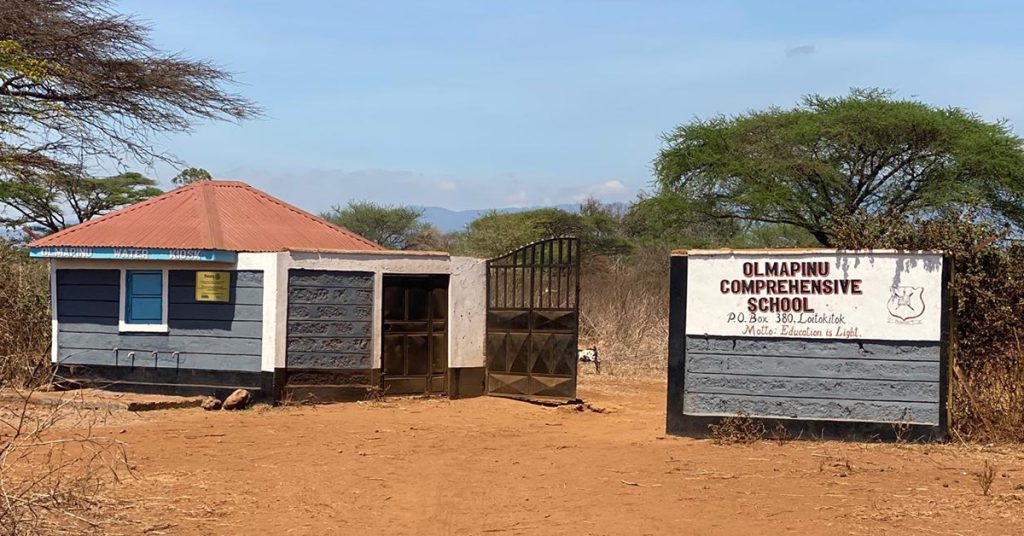
Every morning, until recently, before classes began at Ol Mapinu Primary School in Kajiado County, Kenya, students arrived carrying firewood. Each child contributed what they could to supplement the wood the school purchased, and together it was just enough to keep the school kitchen operational and able to serve lunch. The situation was far from ideal: not only was firewood expensive, the smoke it produced filled the kitchen and adjoining rooms, taking a toll on anyone nearby.
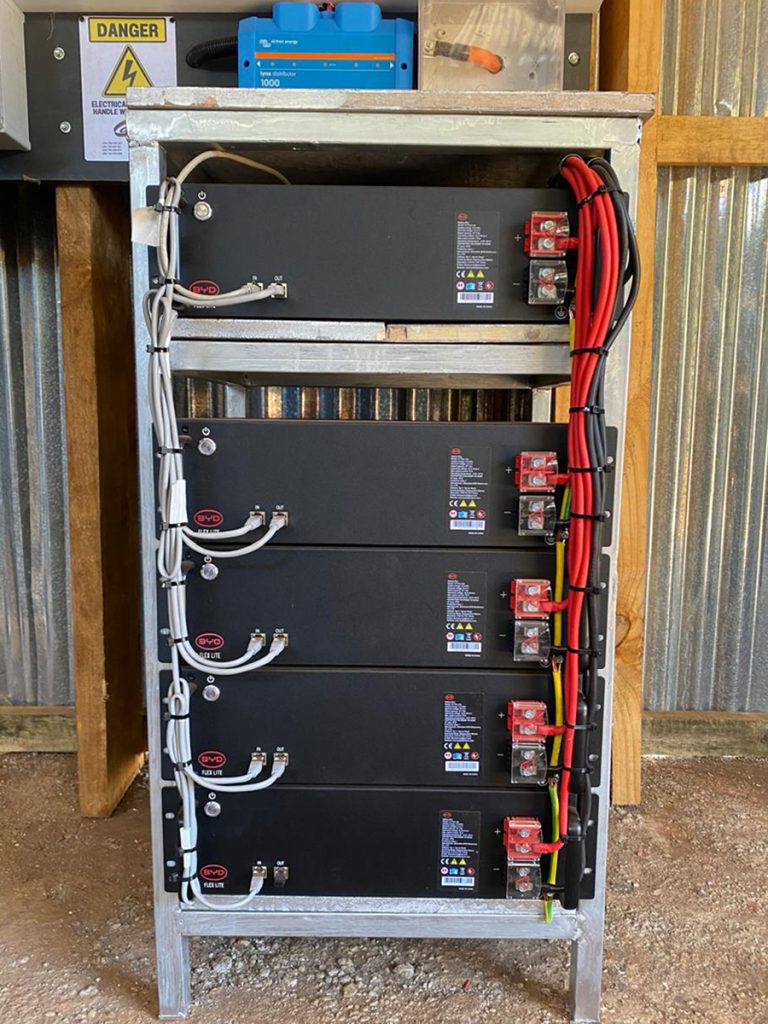
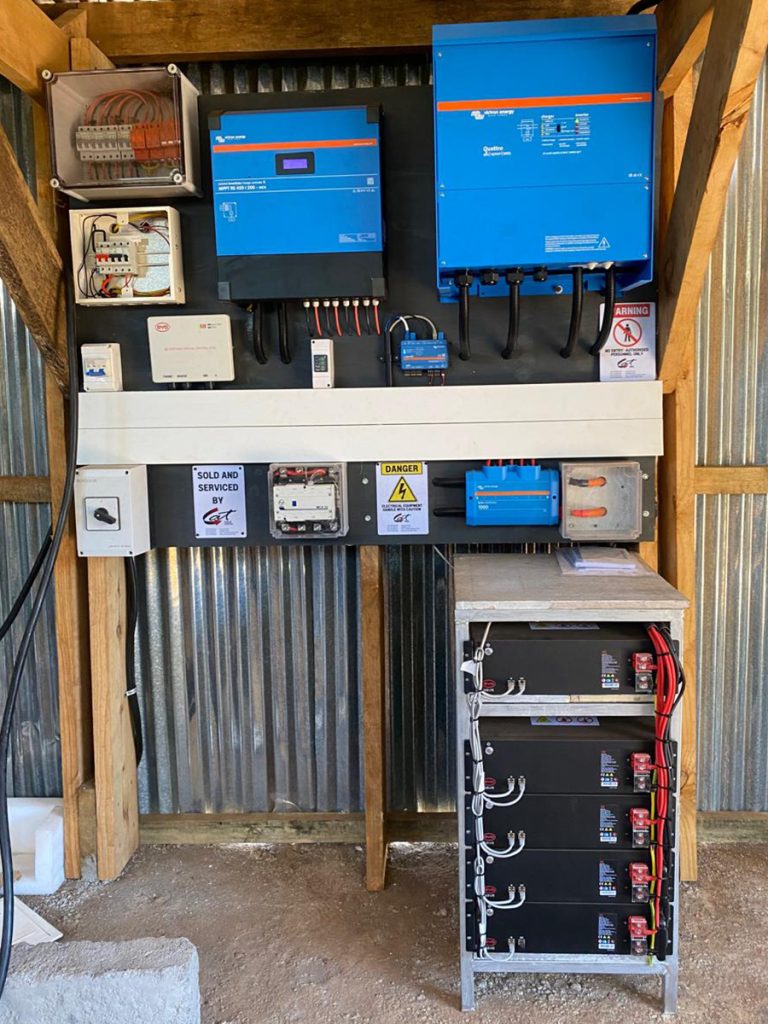
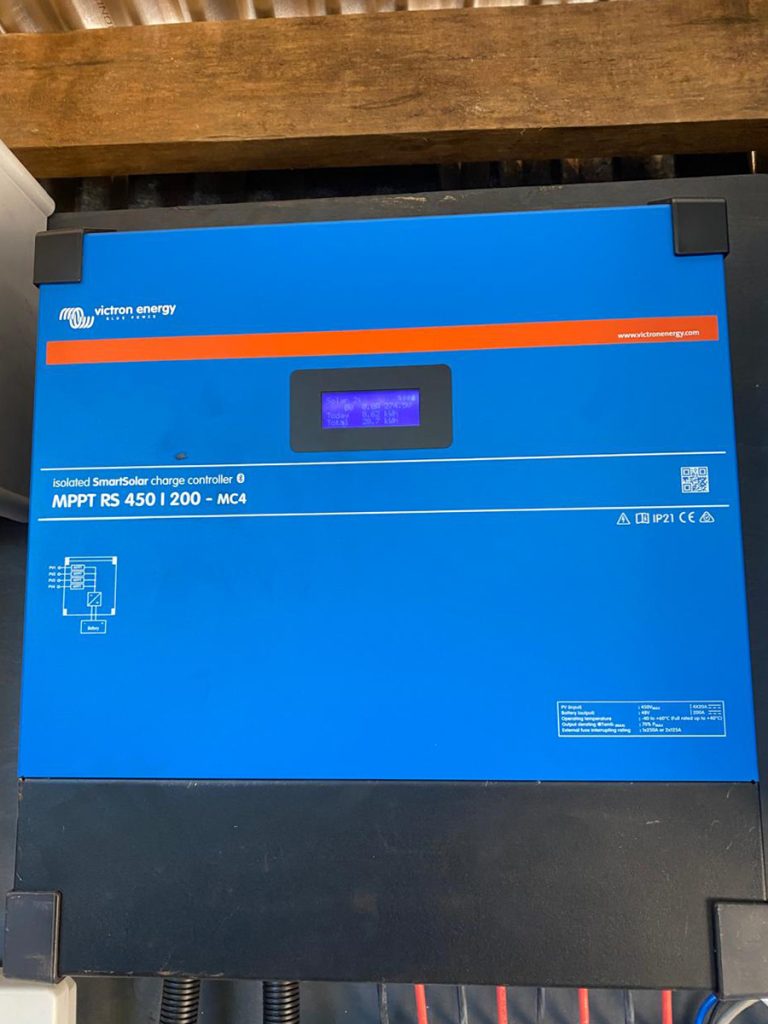
Today, the school’s kitchen runs on solar power. A cookstove developed by Kenyan company Ecobora, combining solar panels, battery storage and smart metering, is used to prepare meals for 843 students without a single log of firewood. The money previously spent on fuel now funds the provision of porridge to students before classes get underway, giving students an additional free meal. The surplus solar energy also powers a new computer lab with 30 machines.
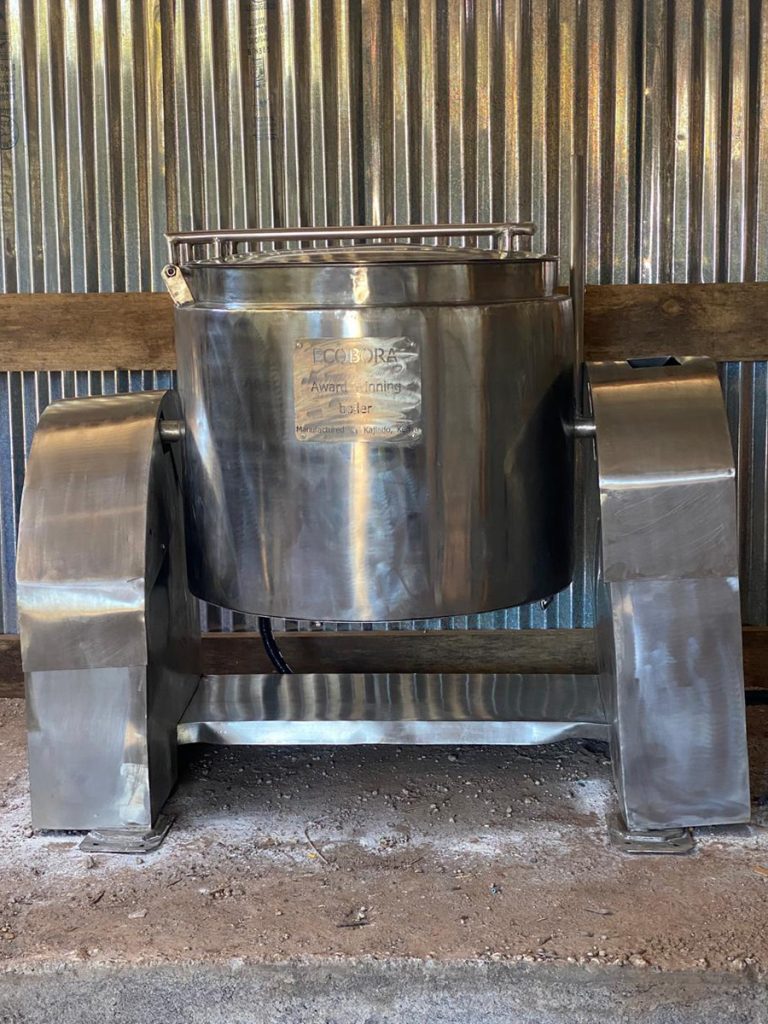
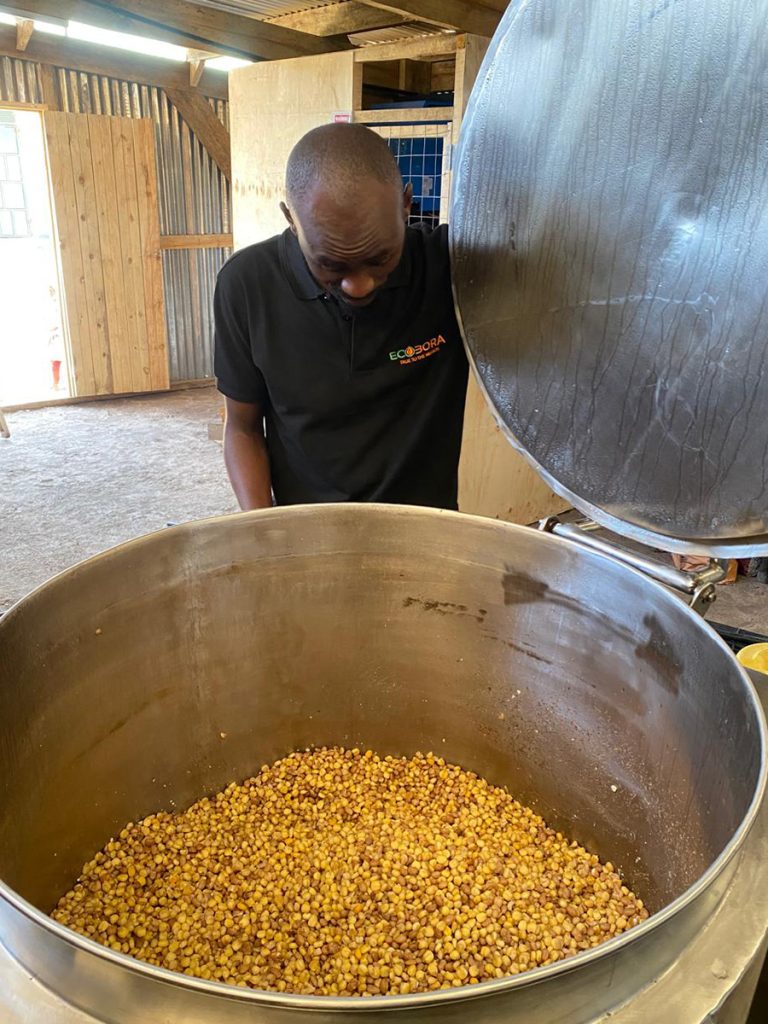
The Head Teacher of Ol Mapinu, Sylvia Saruni, says that “in the past during drought, firewood gets so scarce that students would break and destroy people’s fences to bring firewood to school. With the solar cookstoves that no longer happens and meals are cooked promptly throughout the year.
The transformation at Ol Mapinu is part of a larger story. Ecobora, a Kenyan clean energy company founded in 2016, originally manufactured briquettes and wood pellets as alternative fuels for children’s homes. When Kenya’s 2018 logging ban sent the cost of firewood soaring, founder Justine Abuga and his team developed the country’s first solar-powered cookstove for institutional kitchens. But the technology alone could not reach the schools that needed it most. A single unit costs around KES 3 million, and underfunded rural schools had no way to meet the upfront capital cost, given that banks considered them risky borrowers.
“The challenge was how to meet schools at the point of need with their small budgets,” says Abuga. “So we had to align our business model to serve them without creating a financial burden.”
With support from PREO (the Powering Renewable Energy Opportunities programme, funded by the Foreign, Commonwealth and Development Office and the IKEA Foundation, delivered by the Carbon Trust and Energy 4 Impact), Ecobora piloted a Cooking-as-a-Service model across five rural schools. Rather than purchasing the equipment, schools pay a quarterly service fee drawn from the money they previously spent on firewood or biomass. Ecobora installs the solar cookstove at no upfront cost, retains ownership of the asset, and remotely monitors performance through PAYGO technology and smart metering.
PREO grant funding provided the de-risking capital to test this model, which depends on variable income from schools whose budgets fluctuate term by term. Energy 4 Impact’s advisory support then helped Ecobora work through the detail: analysing repayment data, stress-testing the pricing structure, and refining the model as real operating evidence came in.
“What PREO provided was the space to test whether this model could work before asking Ecobora to scale it,” says Mathieu Dalle, Ecobora’s advisor from Energy 4 Impact. “The grant absorbed the early risk, and our advisory helped them build the evidence base, including repayment data, operating costs, and pricing, that other funders now look at when deciding whether to invest. That is how catalytic support is supposed to work.”
The results have borne out the approach. All five pilot schools have made their quarterly payments on time, every cycle, confirming that schools will pay for clean cooking when the financing structure removes the capital barrier. That track record is now unlocking follow-on support. CLASP has committed $50,000 in venture-building funding to strengthen Ecobora’s factory capacity and hire key staff including a Chief Financial Officer, and WFP Uganda has contracted Ecobora for six schools, prompting the company to open its first office outside of Kenya and begin assembling stoves locally to reduce production costs.
The benefits extend beyond the kitchen. Locally trained electricians now handle routine maintenance, reducing Ecobora’s servicing burden while creating local employment. Moreover, schools are finding new uses for the infrastructure: some boil water in the afternoon to retain heat for morning porridge, others channel surplus solar energy into classroom lighting, and one is exploring communal cooking, preparing meals for neighbouring institutions for a fee.
“When the community benefits directly, they have a reason to protect the investment,” says Abuga. “They safeguard the school and the solar asset because they are feeding their children in school.”
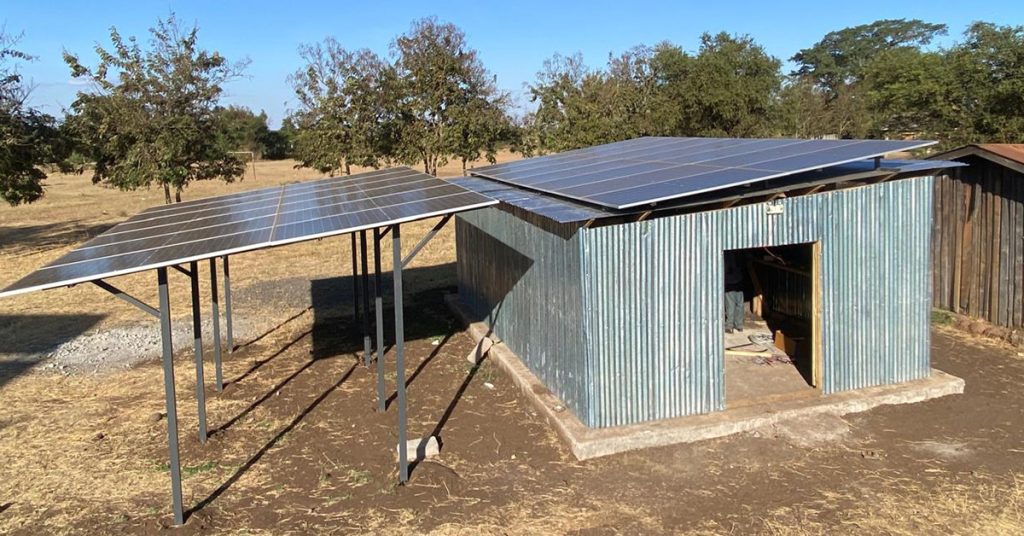
For the pupils at Ol Mapinu, the change is already bringing tangible benefits in terms of their health, nutritional needs and educational outcomes. For the 90% of Kenyan schools still cooking over firewood, it offers a tantalising prospect: evidence that an alternative is not just technically possible, but financially viable.